
By BioLabs Research · Last reviewed: October 8, 2026
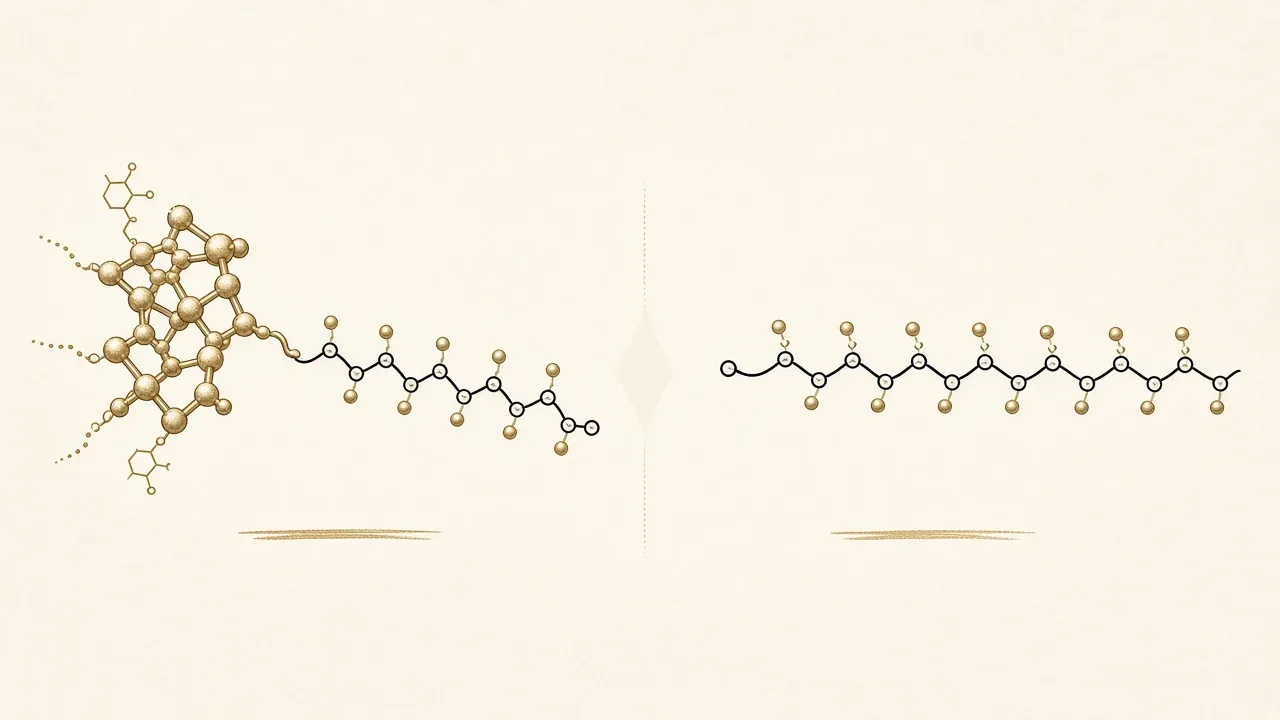
“DAC” in peptide listings usually points to a Drug Affinity Complex-style chemical modification — commonly a maleimidopropionyl handle on a lysine — that changes formula and mass relative to the unmodified backbone. “No DAC” (or modified GRF 1-29 in the CJC-1295 naming cluster) is a different molecule. The storefront nickname is not the discriminator; the formula and observed mass are.
Document the check shown above before moving to the next figure — label fields, lot paper, and pack notes belong on the same receiving record.
Research use only. Do not treat storefront nicknames as a substitute for sequence, CAS, or observed mass on the certificate.

What “DAC” usually means on paper
Public records and vendor literature treat CJC-1295 with DAC and CJC-1295 without DAC as separate backbones: different formulae, different nominal masses. CAS numbers in circulation have been mis-paired with those nicknames. A certificate that only says “CJC-1295” with no DAC flag and no mass leaves identity unresolved.
A longer walkthrough lives on CJC-1295 with DAC and without DAC are different molecules. Use that note when a PO template collapses both into one line item.
Two molecules, not one nickname
When purchasing teams inherit a nickname from an older quote, require the supplier to print:
- Sequence (or backbone) plus modification flag (DAC / no DAC / maleimidopropionyl-Lys, etc.)
- Molecular formula or theoretical exact mass
- Observed intact mass (MS)
- Method ID for any HPLC area% reported
If those fields disagree, do not average them into a purity percentage. Stop and correct the paper before receiving.
Side-by-side checklist
| Label language | What to demand on the COA | On this catalog? |
|---|---|---|
| “CJC-1295 with DAC” | Modification + formula + observed mass | Not listed |
| “CJC-1295 no DAC” / mod GRF 1-29 | Unmodified (or differently modified) backbone + mass | Not listed |
| “CJC-1295” with no flag | Identity unresolved — reject until clarified | Not listed |
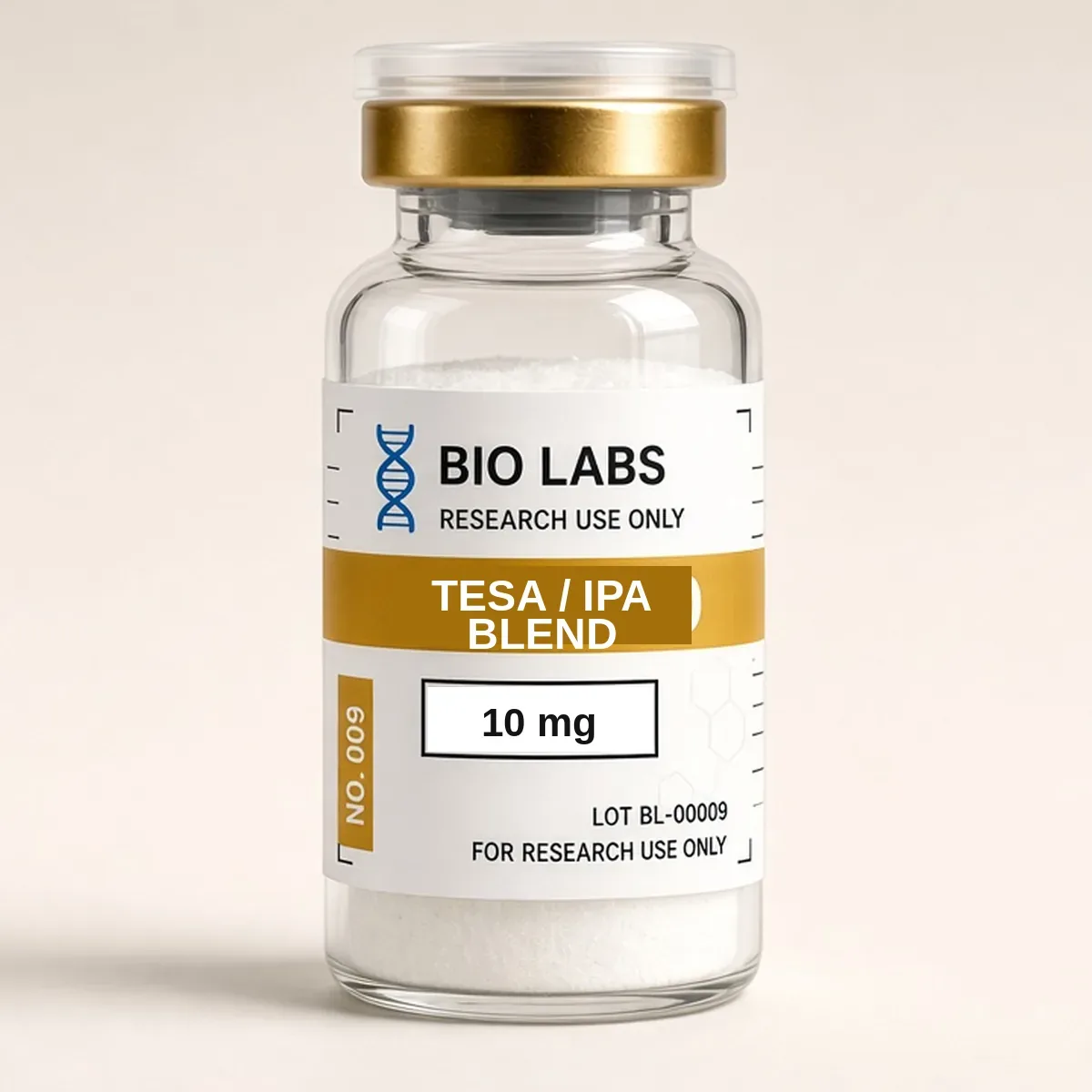
| Tesamorelin / Ipamorelin blend | Both component CAS, sequences, masses | Listed blend |
What this catalog actually lists
This catalog does not list CJC-1295 (with or without DAC) as a SKU. The GHRH-class blend that is listed is tesamorelin / ipamorelin — two named components with their own CAS lines. Do not map a DAC nickname onto that blend. See Tesamorelin / Ipamorelin blend identity and One vial, two CAS numbers.
HPLC area% remains a UV ratio under one method. Read HPLC vs NPC before treating any percentage as net peptide content.
Mass-first triage when DAC language is ambiguous
If inbound paper says “CJC-1295” and nothing else, do not guess. Ask for theoretical mass and the modification string. DAC-bearing and non-DAC backbones will not share the same intact mass; that single number usually ends the argument faster than debating brand nicknames. Record the supplier’s answer in the lot folder even if you ultimately refuse the shipment.
Internal methods should treat DAC status as a controlled vocabulary: DAC, no-DAC, or unspecified. Unspecified is not receivable. Teams that allow free text in that field recreate the collision this note exists to prevent. Pair the vocabulary with a rule that the GHRH-class blend on this catalog (tesamorelin / ipamorelin) is never an alias for either CJC form.
When historical samples were logged under a collapsed nickname, quarantine the metadata before any new work. Relabeling a freezer box without correcting LIMS simply moves the error downstream. Prefer a new lot ID tied to corrected certificates over silent edits of old rows.
None of this is a clinical comparison of DAC constructs. It is inventory hygiene for laboratories that must keep formulae distinct on paper, balances, and audit exports.
For auditors, keep a one-page job aid at receiving: nickname → required fields → listed alternative on this catalog (if any). The only listed alternative in the GHRH neighborhood here is the tesamorelin/ipamorelin blend, which must never inherit a CJC-1295 DAC checkbox. If a supplier’s portal forces a single “CJC” SKU pick-list, attach a written clarification to the PO before payment clears.
Browse listed reagents
Named SKUs and named blends only. Research use only.
Related notes
References
- PubChem search entry points for CJC-1295-related records — verify formula and substituents on the specific CID you intend to order; do not rely on the nickname alone. Start at https://pubchem.ncbi.nlm.nih.gov/.
- BioLabs Research identity note: CJC-1295 with DAC vs without DAC.
Research use only. Not for human consumption, self-administration, or therapeutic use. Laboratory reagent listing only.