🔥🔥🔥
FDA notice on an interim access policy for compounding certain peptides enters White House review
Photo: Kjaergaard at English Wikipedia / Wikimedia Commons (Public domain) / own upload
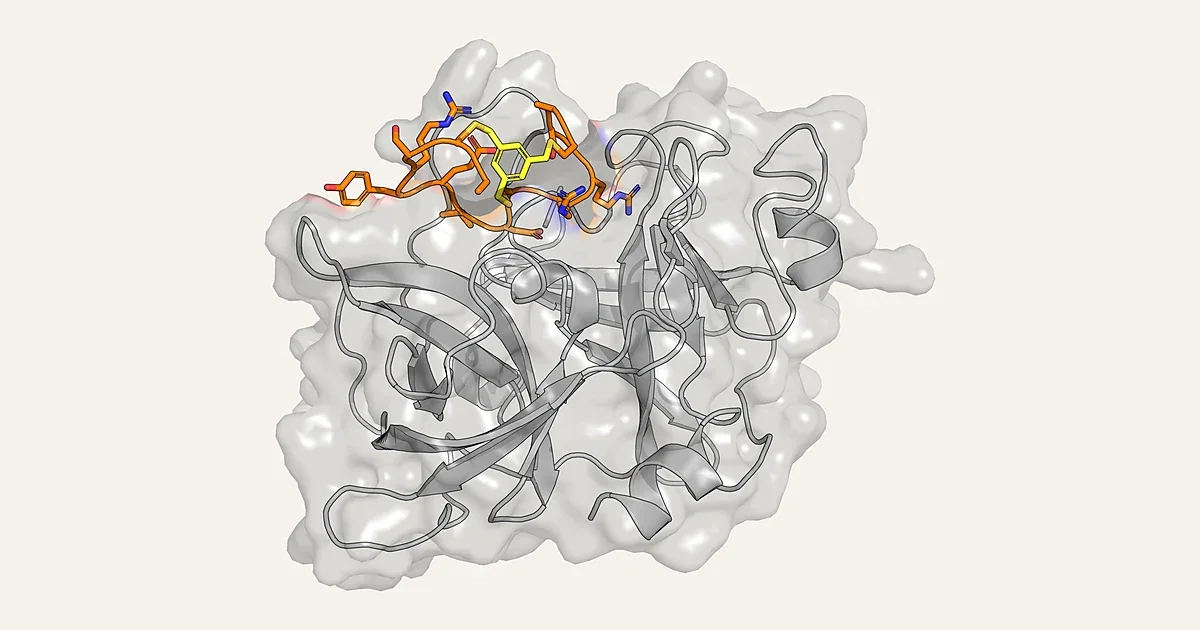
The federal regulatory review dashboard reginfo.gov lists an HHS/FDA notice titled "Interim Access Policy for Compounding Using Certain Peptides" (RIN 0910-ZD94) as pending review under Executive Order 12866, received on 14 October 2026. The listing marks the notice as not economically significant and gives no legal deadline. It does not include the policy text, the substances covered or any conditions; a pending review is not a published policy and does not amount to FDA approval of any substance.
For research-community awareness only. Not legal advice.
🔥🔥
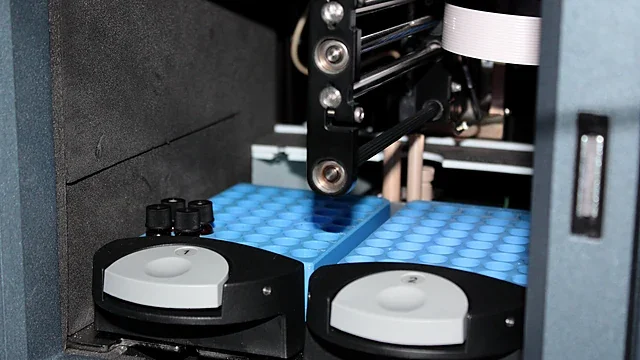
Photo: Groep29 BFW / Wikimedia Commons (Public domain) / own upload
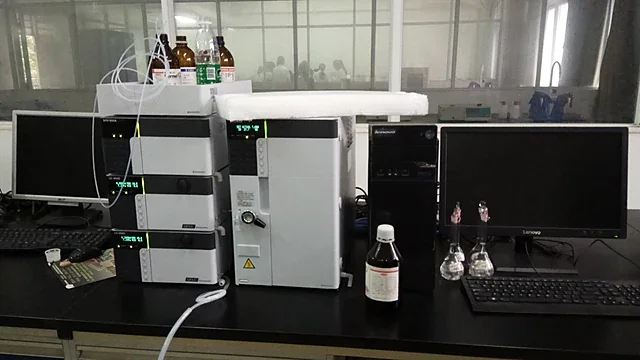
Researchers at the City University of Hong Kong reported in Bioinformatics on 15 October ScopeNovo, which takes several candidate sequences from an existing de novo sequencing model and reranks them by similarity between the input tandem mass spectrum and a representative spectrum for each candidate. On the nine-species V1 and V2 benchmarks it raised peptide accuracy over its base model by up to 6.1%. The code is open source under an MIT licence.
Read the Full Update
🔥🔥
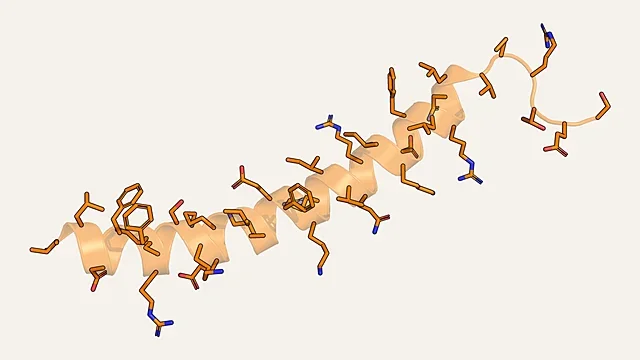
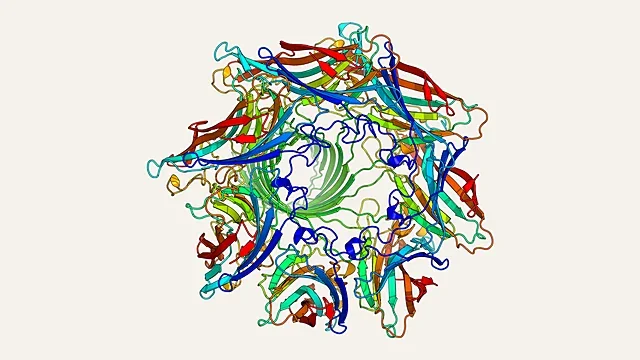
Photo: Image: BioLabs Research, rendered from PDB 2K6O (RCSB PDB, CC0) / own upload
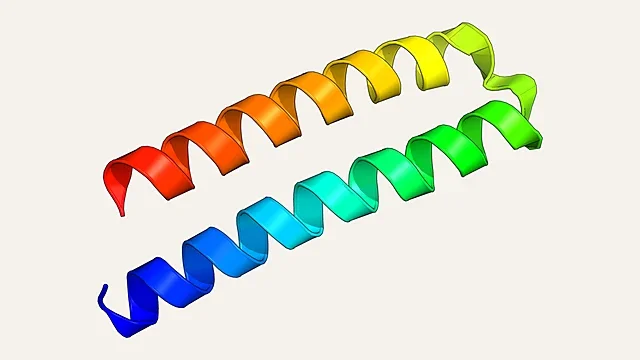
Researchers at the Johns Hopkins Bloomberg School of Public Health reported in npj Antimicrobials and Resistance on 13 October 36 previously uncharacterised putative antimicrobial peptides in Anopheles gambiae, with larval, salivary-gland and Malpighian-tubule expression patterns. Four synthetic peptides showed broad-spectrum activity, and two salivary-gland peptides cut Plasmodium falciparum sporozoite viability by about 81% and 75% in laboratory assays. The work is insect immunology.
Read the Full Update
🔥🔥
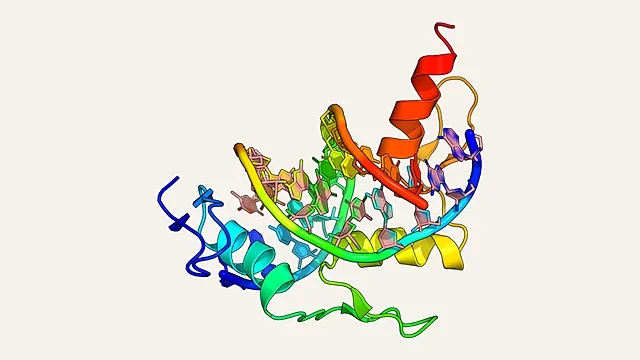
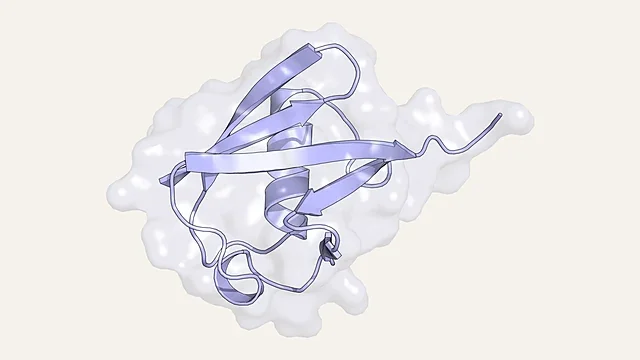
Photo: Image: BioLabs Research, rendered from PDB 1AAY (RCSB PDB, CC0) / own upload
Researchers at Nationwide Children's Hospital and Ohio State University reported in Frontiers in Immunology on 16 October that a 42-residue linker-plus-helix-1 fragment of an engineered HMGB1 B-box peptide keeps both biofilm disruption and inhibition of neutrophil extracellular trap formation. Dropping the linker left a 29-residue anti-biofilm-only peptide, while DNA-binding mutations left only the anti-NET activity. All experiments were in vitro.
Read the Full Update
🔥
Vibrational spectroscopy shows an antibody lying flat on a surface-bound mimotope peptide
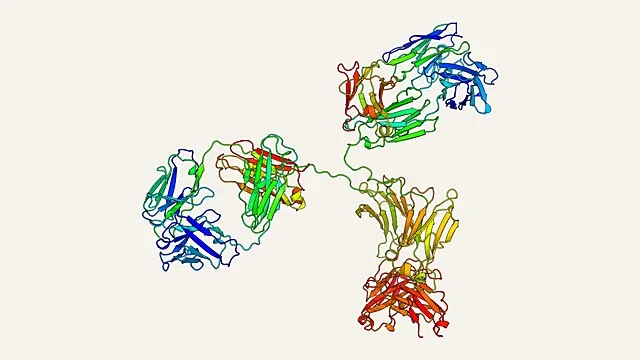
Photo: Image: BioLabs Research, rendered from PDB 1IGT (RCSB PDB, CC0) / own upload
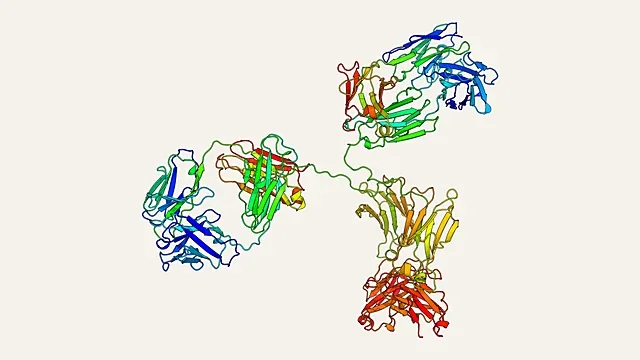
Researchers at the University of Michigan, the University of South Carolina and the University of Missouri reported in Analytical Chemistry on 14 October sum frequency generation spectroscopy of an anti-HER2 monoclonal antibody binding the mimotope peptide CH19 at a buried solid/liquid interface. Combined with molecular dynamics and spectral calculations, the data show a lying-down antibody orientation and a contact pattern unlike that in solution; two non-target antibodies showed no detectable binding. The work targets biosensor design.