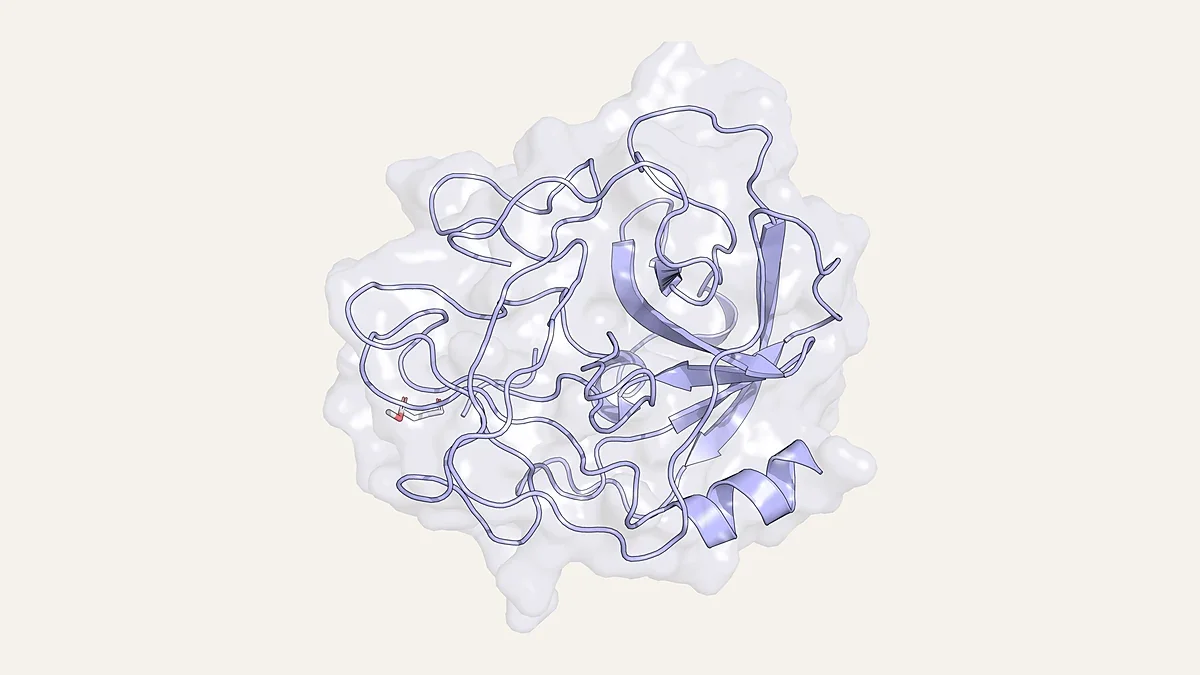
Shorter HMGB1-derived peptides separate anti-biofilm and anti-NET activity in laboratory assays
Researchers at the Abigail Wexner Research Institute at Nationwide Children's Hospital and Ohio State University reported in Frontiers in Immunology, published on 16 October, a structure-based minimisation of a 97-amino-acid peptide derived from the B box of the protein HMGB1.
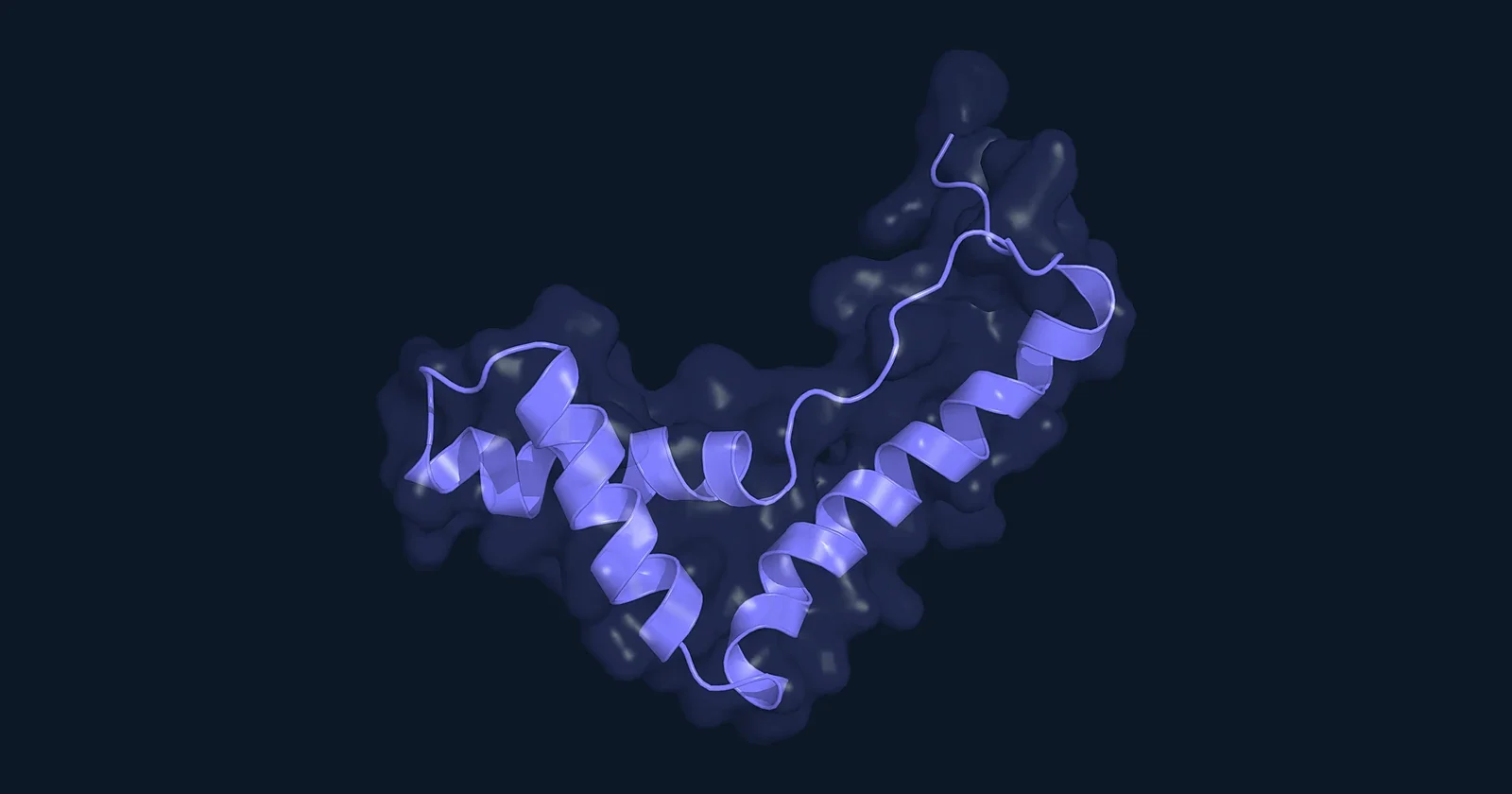
Summary. Researchers at the Abigail Wexner Research Institute at Nationwide Children's Hospital and Ohio State University reported in Frontiers in Immunology, published on 16 October, a structure-based minimisation of a 97-amino-acid peptide derived from the B box of the protein HMGB1. The group had earlier shown that this engineered peptide, which carries a C106S substitution, both disrupts bacterial biofilms and suppresses neutrophil extracellular trap (NET) formation by inhibiting protein kinase C (PKC). In the new work they built truncated versions around the first helix of the B box, with or without the linker that joins the A and B boxes of HMGB1, and added mutations at known DNA-binding residues.
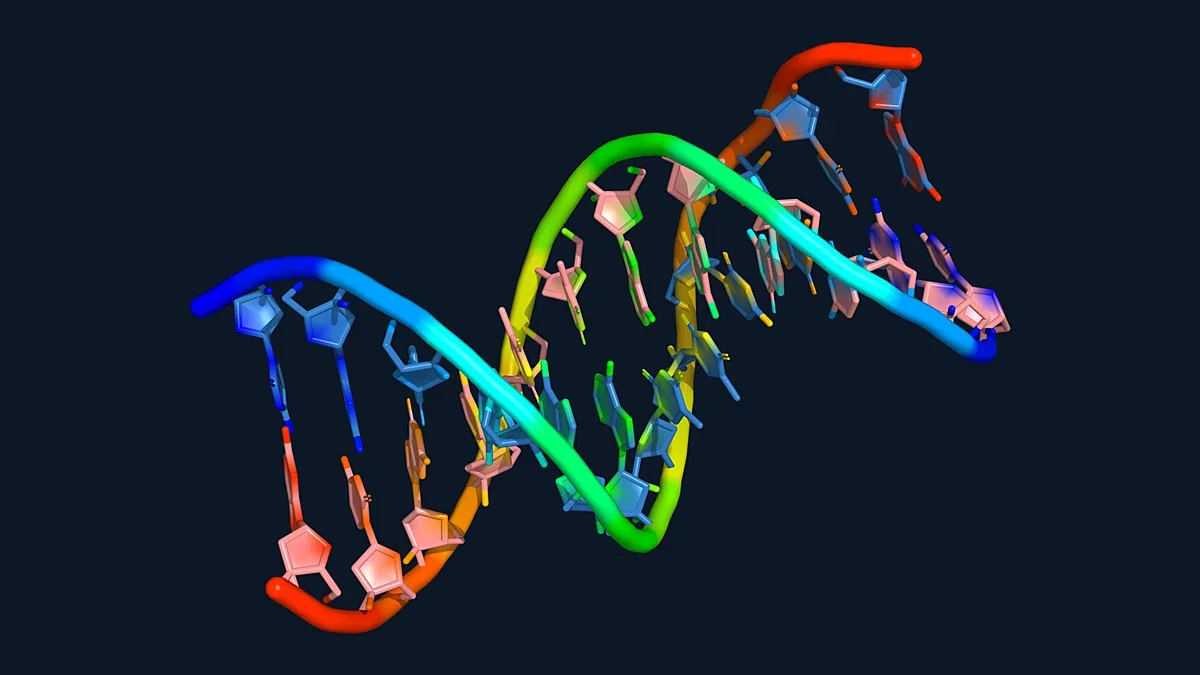
Research context (RUO). A 42-residue peptide combining the linker and helix 1 kept both activities. Removing the linker gave a 29-residue peptide that still disrupted biofilms of five bacterial species but no longer inhibited NET formation, while R97A or F103Y DNA-binding mutations removed the anti-biofilm activity and left PKC inhibition, lower NADPH oxidase activation, reduced reactive oxygen species and NET suppression in place. None of the peptides inhibited bacterial growth directly. All experiments were in vitro, with neutrophils isolated from healthy donor blood; the authors list animal studies and further safety testing as necessary next steps, and note that PKC inhibition also reduced neutrophil killing of bacteria. For peptide and microbiology laboratories, the contribution is a structure-function map of compact, synthesizable HMGB1 fragments.