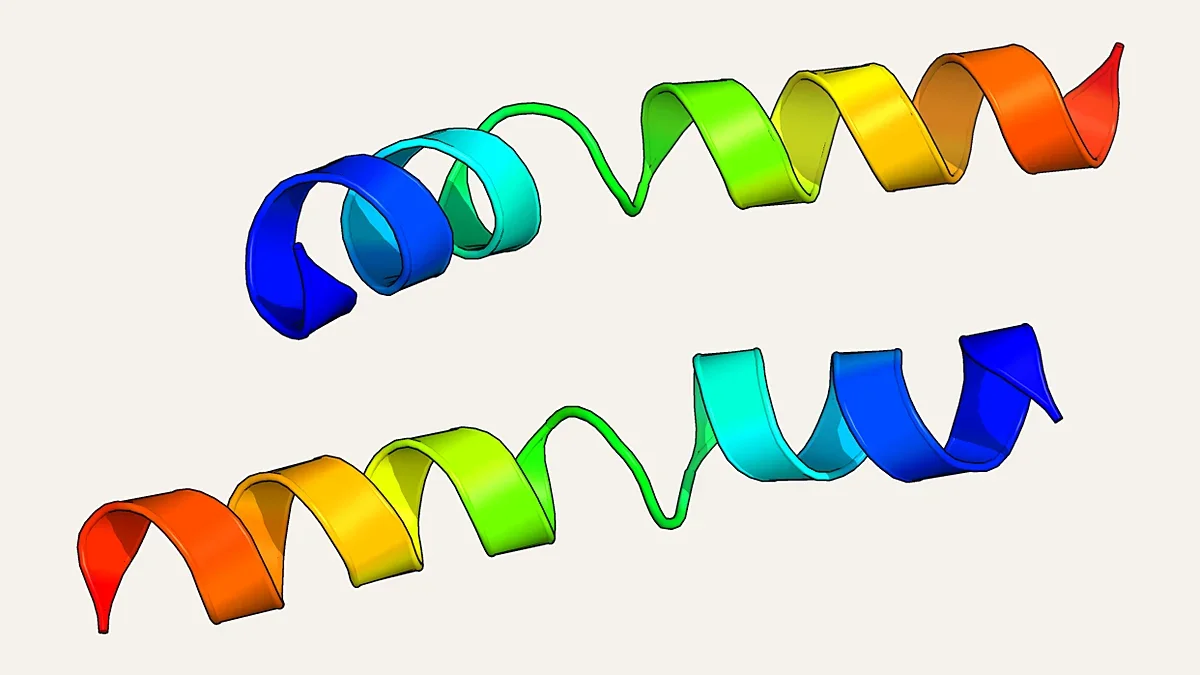
Genome survey finds 36 putative antimicrobial peptides in the malaria mosquito, two active against parasites in vitro
Researchers at the Johns Hopkins Bloomberg School of Public Health in the United States reported in npj Antimicrobials and Resistance, published on 13 October, a genome-wide search for antimicrobial peptides (AMPs) in Anopheles gambiae, the main mosquito vector of malaria.
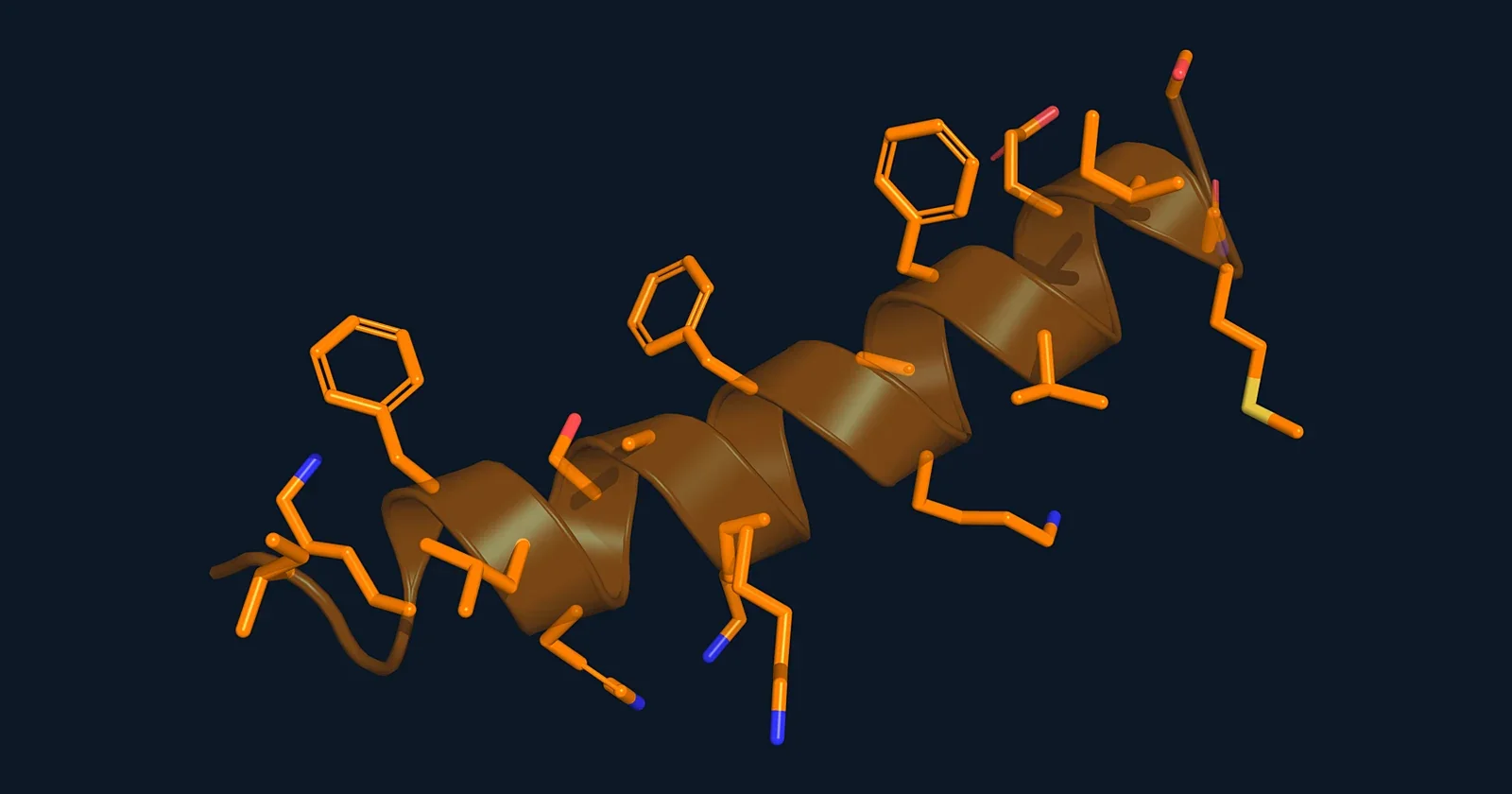
Summary. Researchers at the Johns Hopkins Bloomberg School of Public Health in the United States reported in npj Antimicrobials and Resistance, published on 13 October, a genome-wide search for antimicrobial peptides (AMPs) in Anopheles gambiae, the main mosquito vector of malaria. Knowledge of the mosquito's AMP defences had been limited to a few canonical members. An in silico genomic survey identified 36 previously uncharacterised putative AMPs, and transcriptional profiling showed distinct developmental and tissue-specific patterns, from strictly larval expression to enrichment in the salivary glands and Malpighian tubules.
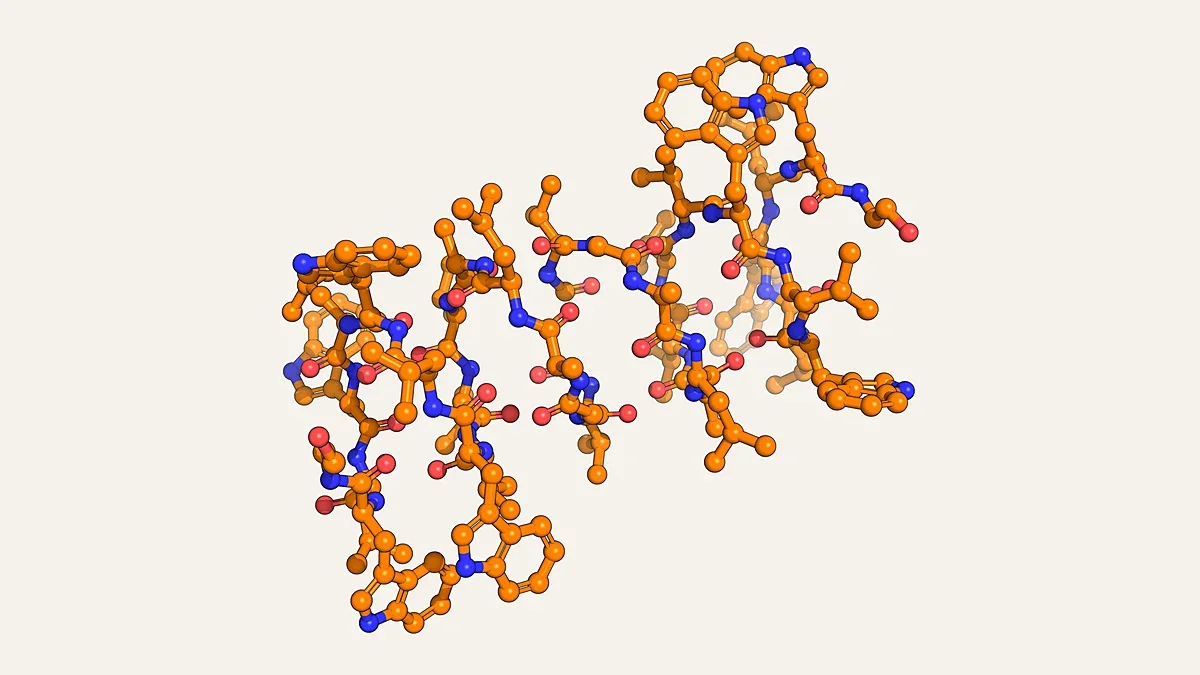
Research context (RUO). Synthetic versions of the peptides validated four new broad-spectrum AMPs, named Anolarvin, Konopsin, Sialicin and Cryptophelin. Konopsin was identified as an effector regulated by the Immune Deficiency (IMD) pathway, while the larval-specific Anolarvin appeared important for developmental homeostasis. The peptides worked in different ways: some slowed bacterial growth without lysing cells, while others permeabilised membranes. In laboratory assays, the salivary-gland-enriched Sialicin and Cryptophelin reduced the viability of Plasmodium falciparum sporozoites by about 81% and 75%. The authors present the findings as mosquito immunology and as candidates for research on blocking malaria transmission; the study tests nothing in people. For antimicrobial-peptide and vector-biology laboratories, the contribution is an expanded, open-access catalogue of mosquito AMPs with expression and mechanism data.