
By BioLabs Research · Last reviewed: October 8, 2026
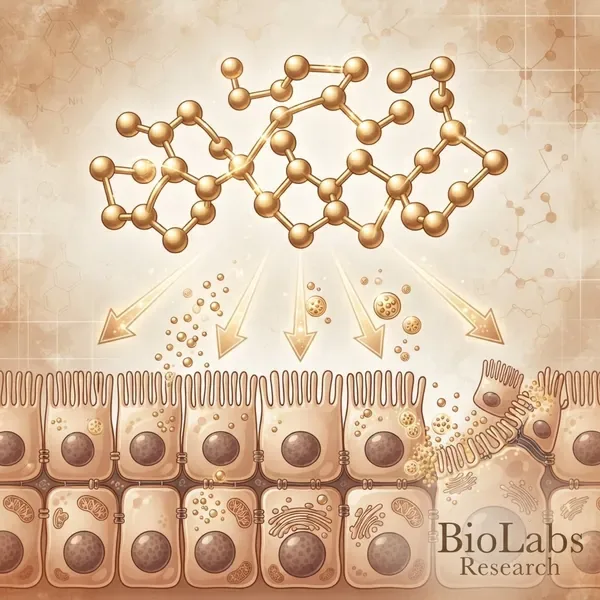
BPC-157 is a 15-residue gastric-derived sequence (GEPPPGKPADDAGLV) listed as a lyophilized research compound. Popular write-ups skip the lot paper. This overview is identity and published lab context — not a repair protocol.
Chemical Identity
BPC-157 has the amino acid sequence H-Gly-Glu-Pro-Pro-Pro-Gly-Lys-Pro-Ala-Asp-Asp-Ala-Gly-Leu-Val-OH. It is a fragment of the larger BPC protein identified in gastric juice research. The peptide has a molecular weight of approximately 1,419.5 Da.

Research Applications
In published preclinical research, BPC-157 has been studied in several contexts:
- cell-migration models: Studies have examined BPC-157 in tendon, ligament, and muscle tissue cultures to evaluate cellular proliferation and migration responses.
- Gastrointestinal research: As a gastric-derived peptide, BPC-157 has been investigated for its effects on intestinal epithelial cell behavior in vitro.
- Angiogenesis studies: Research has explored BPC-157's influence on vascular endothelial growth factor (VEGF) signaling pathways in controlled laboratory settings.
- Anti-inflammatory signaling: Several in vitro studies have examined BPC-157's interaction with inflammatory cytokine pathways.
Evaluating BPC-157 Lot Quality
When sourcing BPC-157 for laboratory research, lot documentation is the primary indicator of reagent quality. A Certificate of Analysis (COA) should include:
- HPLC purity analysis — confirming peptide purity percentage at a specified wavelength
- Mass spectrometry (MS) data — confirming molecular weight and identity
- Lot number and manufacture date — for traceability
- Laboratory name and testing method — the testing facility should be identified
Requesting a COA before you inquire is standard practice in reagent sourcing. BioLabs Research provides lot docs on request when available. See our guide to reading a COA for a detailed breakdown of what each section means.
BPC-157 vs. TB-500: Research Context
BPC-157 and TB-500 (a fragment of Thymosin Beta-4) are often studied together in cellular signaling research. While BPC-157 is a gastric-derived peptide, TB-500 is a thymus-derived peptide fragment. Both have been examined in cell-migration models, but through different proposed signaling pathways. Some researchers source both as a blend for comparative studies. See our BPC-157 / TB-500 Blend listing.
Sourcing BPC-157 for Research
When selecting a BPC-157 supplier for laboratory use, prioritize:
- Lot docs on request — read the issuing laboratory name and lot ID on the file when one is issued
- Lot traceability — each lot should have a unique identifier and test documentation
- Purity specifications — HPLC purity as reported on the lot docs
- Transparent pricing — research reagents should have clear, published pricing
Keep each figure tied to a distinct receiving check: label identity, lot paper, and — when applicable — pack presentation. Adjacent screenshots without intervening notes make audits harder to reconstruct.
Research use only. Match the certificate fields to the physical lot before the material is booked into inventory or shared across sites.
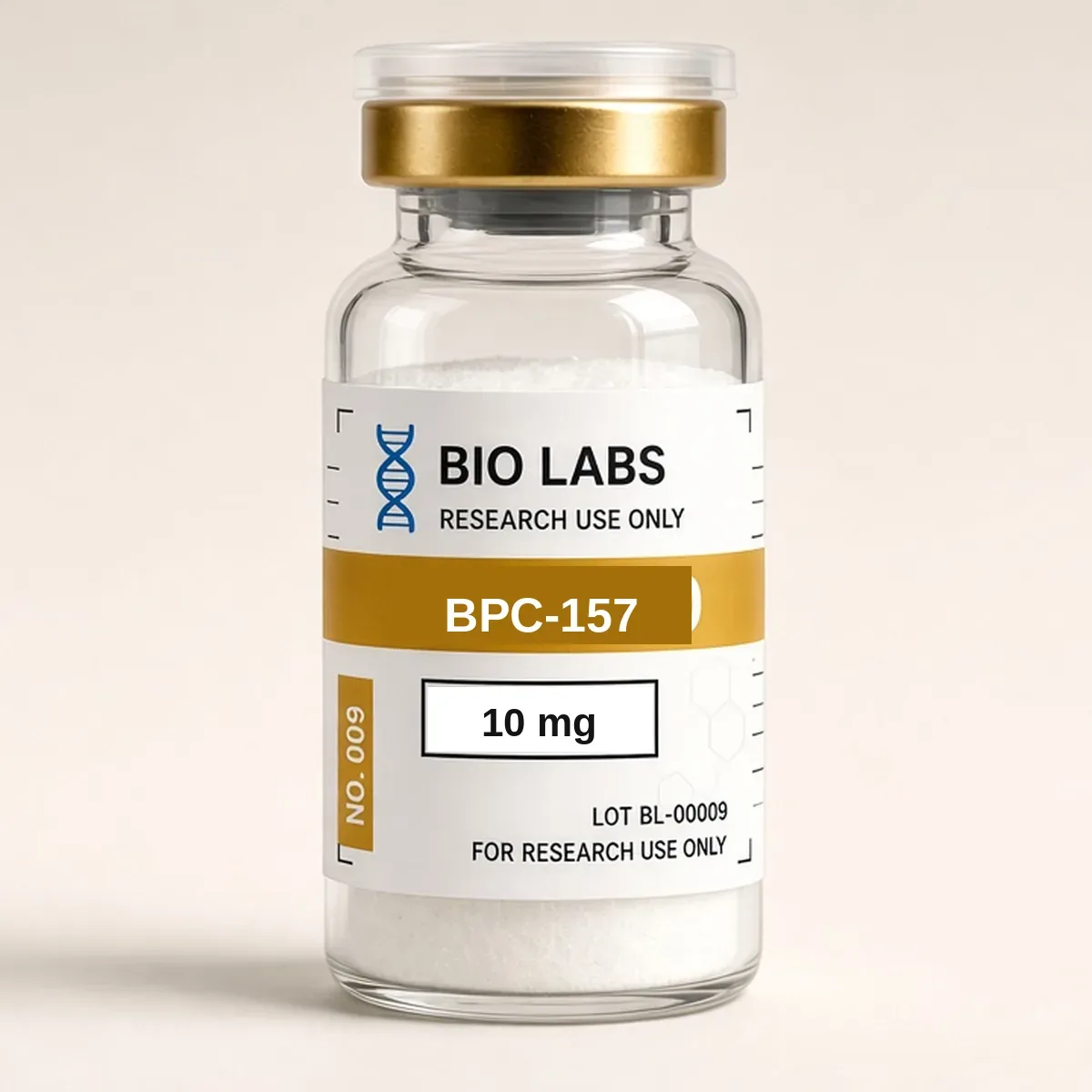
Inquire about the BPC-157 listing
Lot docs on request. Research use only.
View BPC-157 Catalog Listing →
Related notes
- BPC-157 / TB-500 Blend: Two Sequences, Two Masse
- Peptide Purity and COA Explained
- Lot docs, not a purity percentage
Related: What Is BPC-157? Peptide Identity and Research Context
Frequently Asked Questions
Is BPC-157 FDA approved?
No. BPC-157 is not FDA approved for any therapeutic use. It is sold as a research-use-only laboratory reagent. BioLabs Research does not make any therapeutic or lifestyle claims.
What purity should I expect from research-grade BPC-157?
HPLC purity is reported on the lot-specific COA. Request the COA to verify the purity of your specific lot. Always request a COA to verify the purity of your specific lot.
Can I get a COA for a BPC-157 lot?
Yes. BioLabs Research provides lot docs on request when available. Use the contact form with the product name and lot number.
References
- Sikiric P, Petek M, Rucman R, et al. A new gastric juice peptide, BPC. An overview of the stomach-organoprotection hypothesis and beneficial effects of BPC. J Physiol Paris. 1993;87(5):313–327. Cited for the published pentadecapeptide context, not as a use protocol. https://pubmed.ncbi.nlm.nih.gov/8298621/
- PubChem search for the BPC-157 CAS printed on the lot docs. https://pubchem.ncbi.nlm.nih.gov/
Research use only. Not for human consumption, self-administration, or therapeutic use. Laboratory reagent listing only.