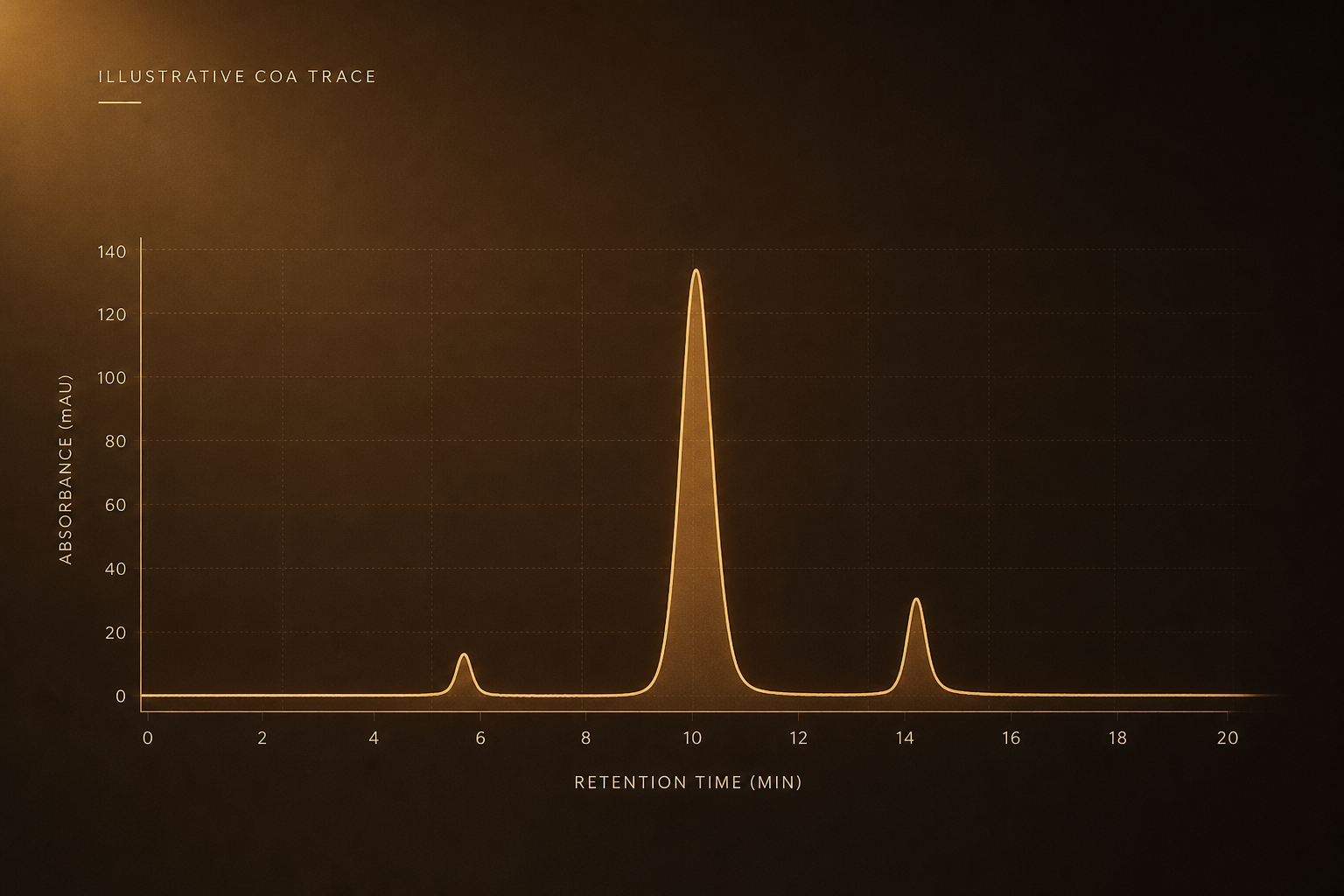
Lot COA, not a purity percentage
How we read identity and purity fields on a certificate — without inventing numbers.
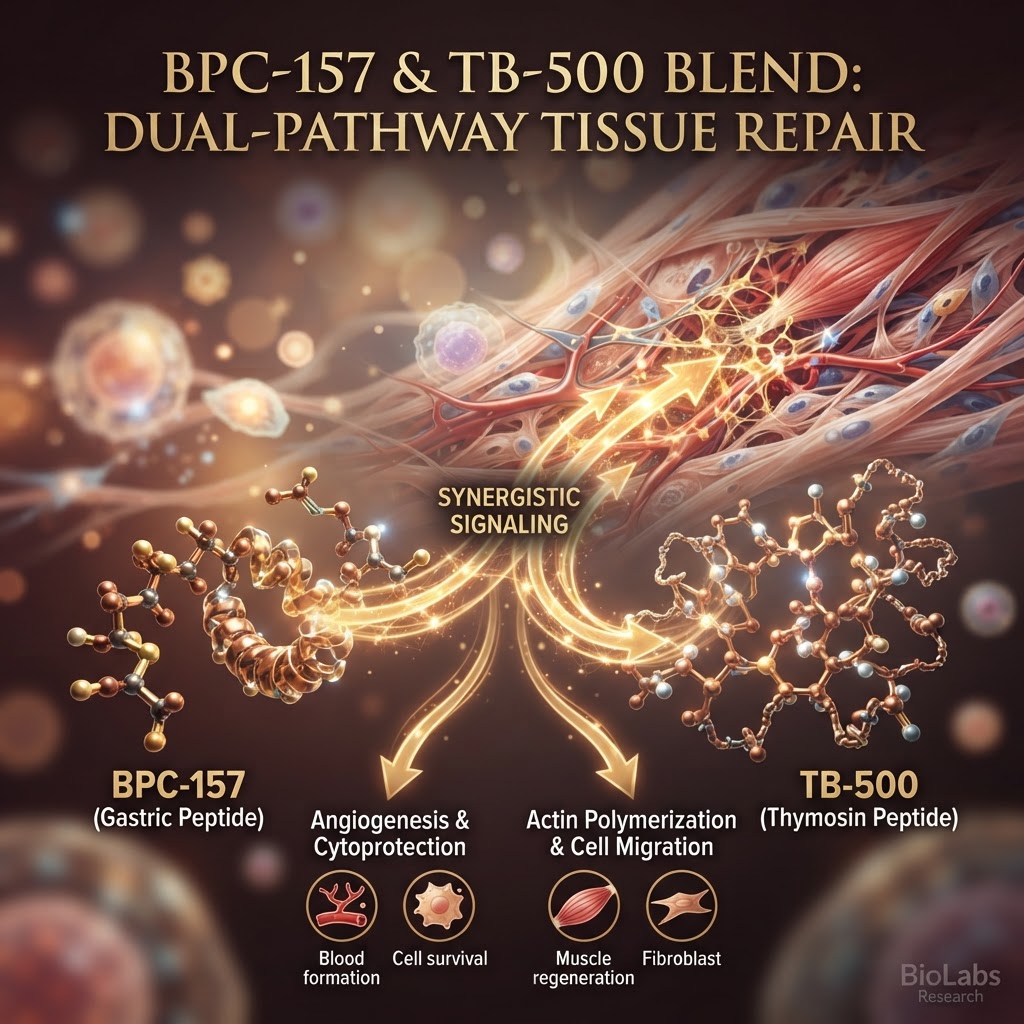
One vial, two CAS numbers
What a blend COA must show when two compounds share a label.
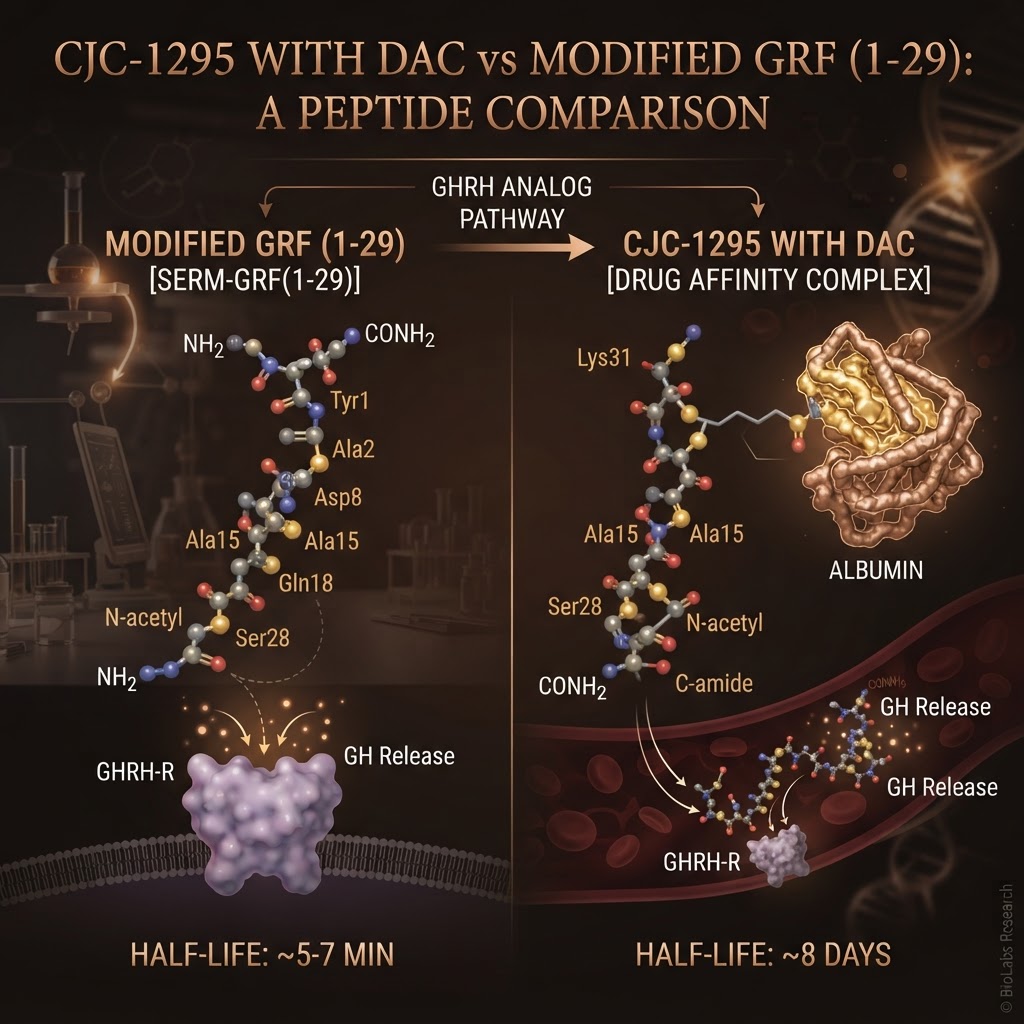
DAC vs no-DAC is a formula difference
Why the storefront name is not the molecular identity.
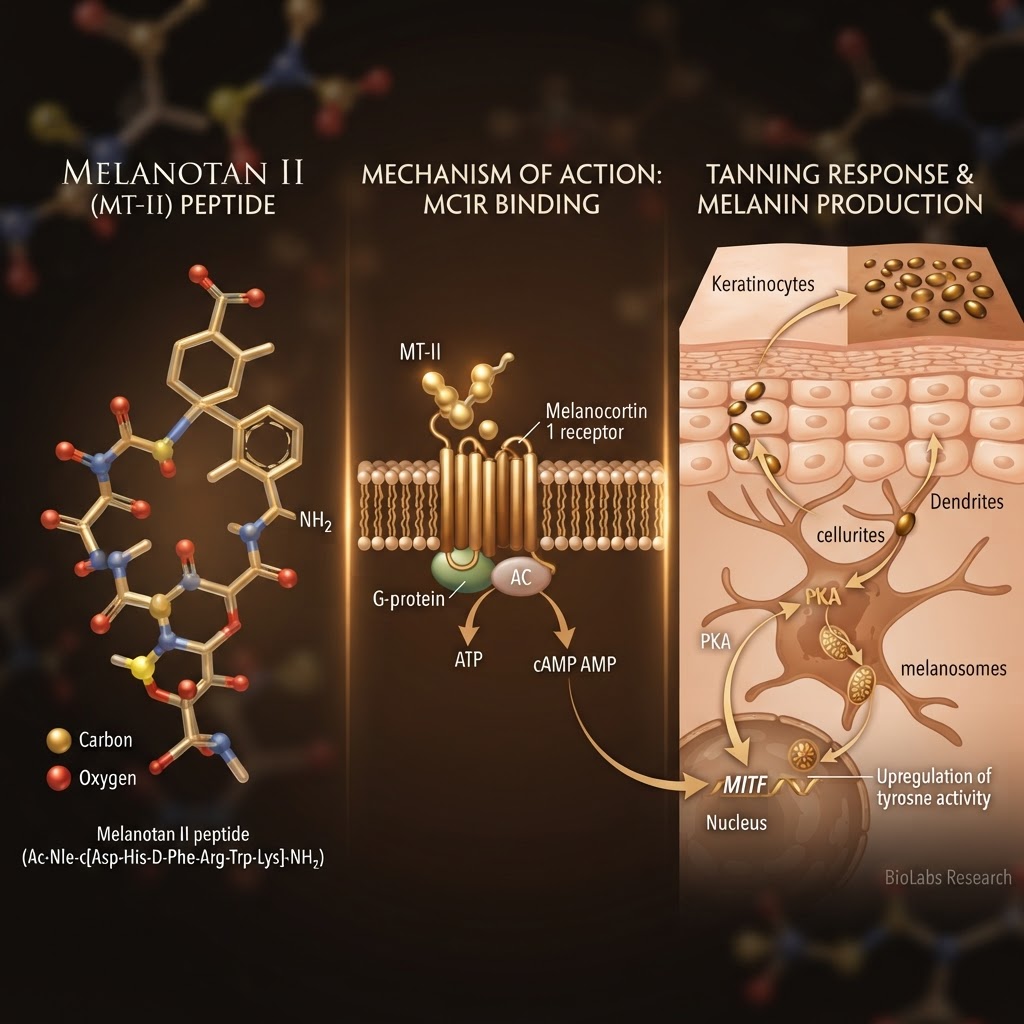
Catalog SKUs vs research analogues
Melanotan II and other analogues that are not listed here — and why.
Shipping cold-chain for research reagents
How temperature-sensitive lots leave the warehouse.
Melanotan II Is a Cyclic α-MSH Analogue, Not a Catalog SKU
Melanotan II: Ac-Nle-cyclo[Asp-His-D-Phe-Arg-Trp-Lys]-NH2, CAS 121062-08-6. Identity note. Not listed in this catalog.
CJC-1295 With DAC and Without DAC Are Different Molecules
CJC-1295 DAC is not modified GRF 1-29. Discriminator is formula, not the storefront name. Not a catalog SKU.
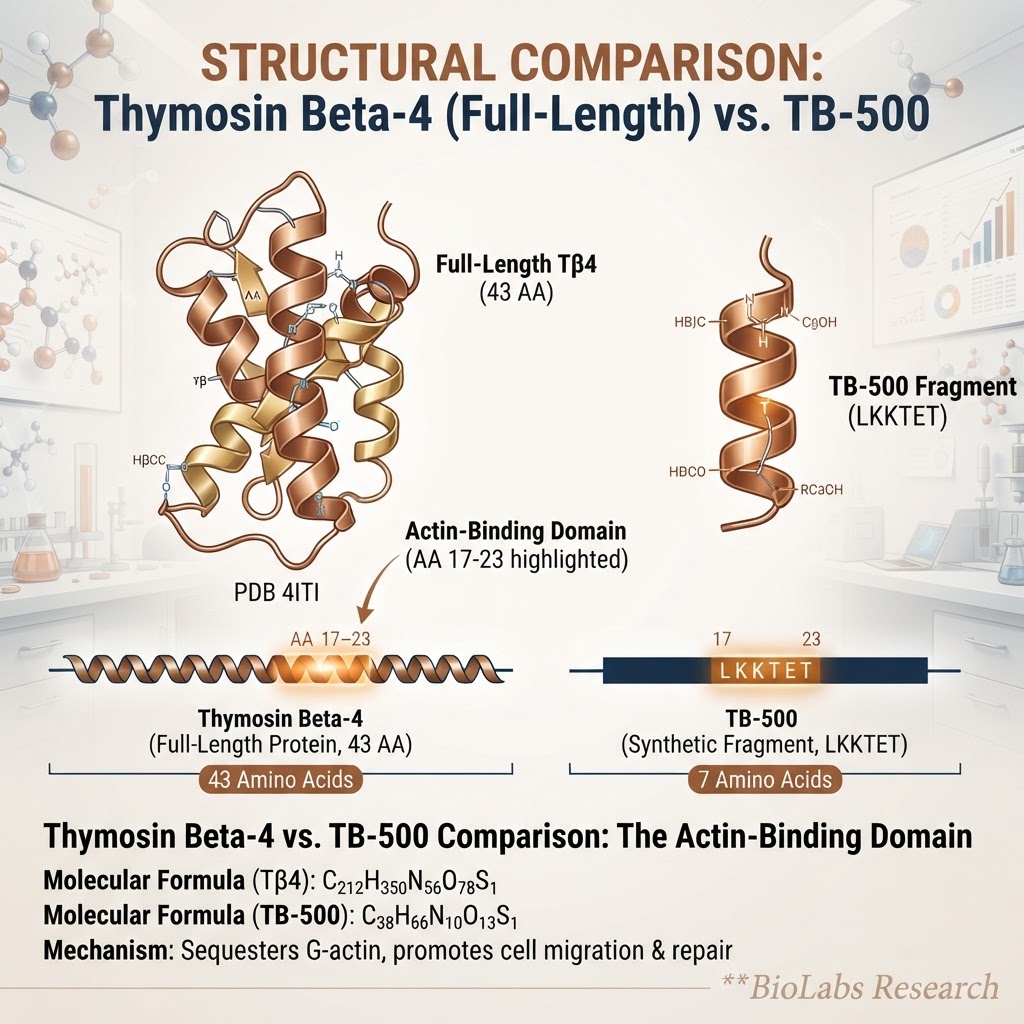
TB-500 vs Thymosin β4: Which Sequence Is on the Vial
This catalog’s TB-500 listing is the Ac-LKKTETQ fragment, not full thymosin β4.
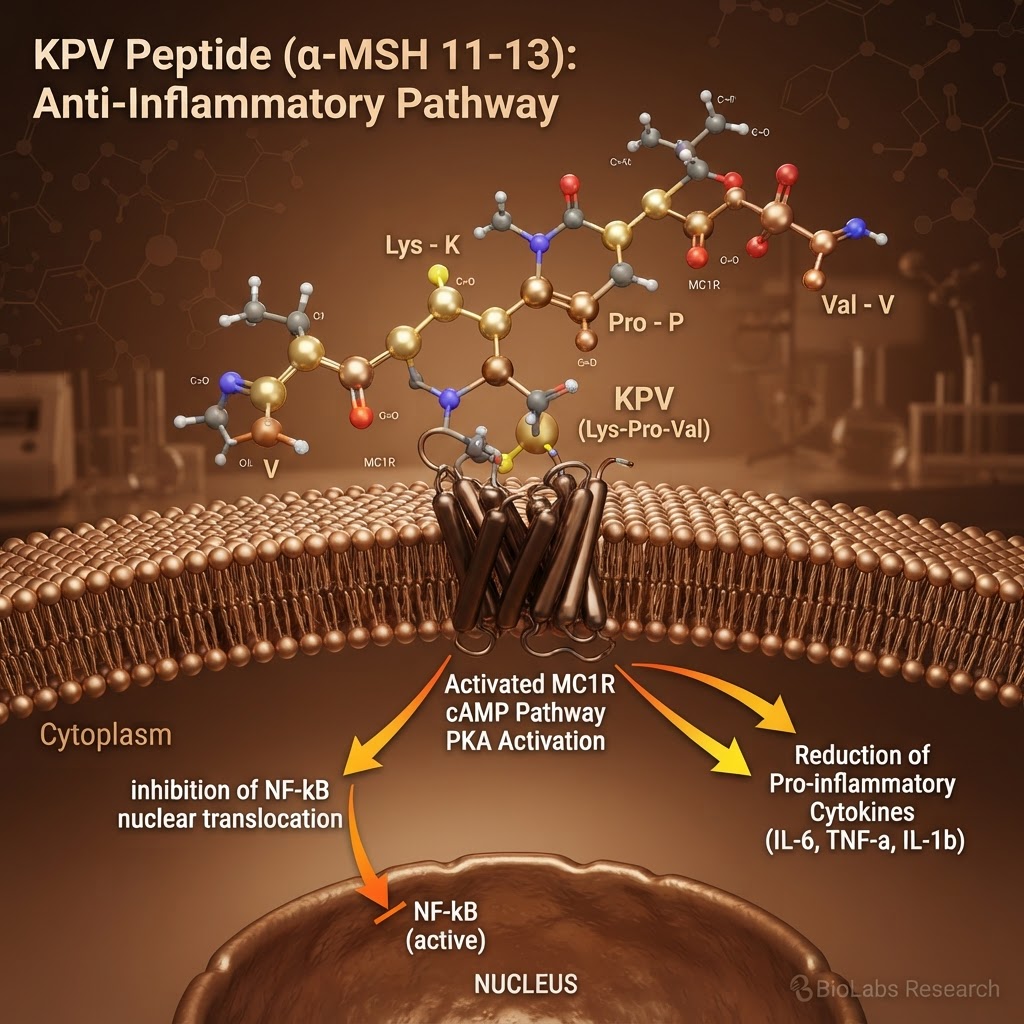
KPV Is α-MSH 11–13, Not the Whole Hormone
α-MSH 11–13 (KPV, CAS 67727-97-3). PubChem CID 125672. Free acid is not Ac-KPV-NH2.
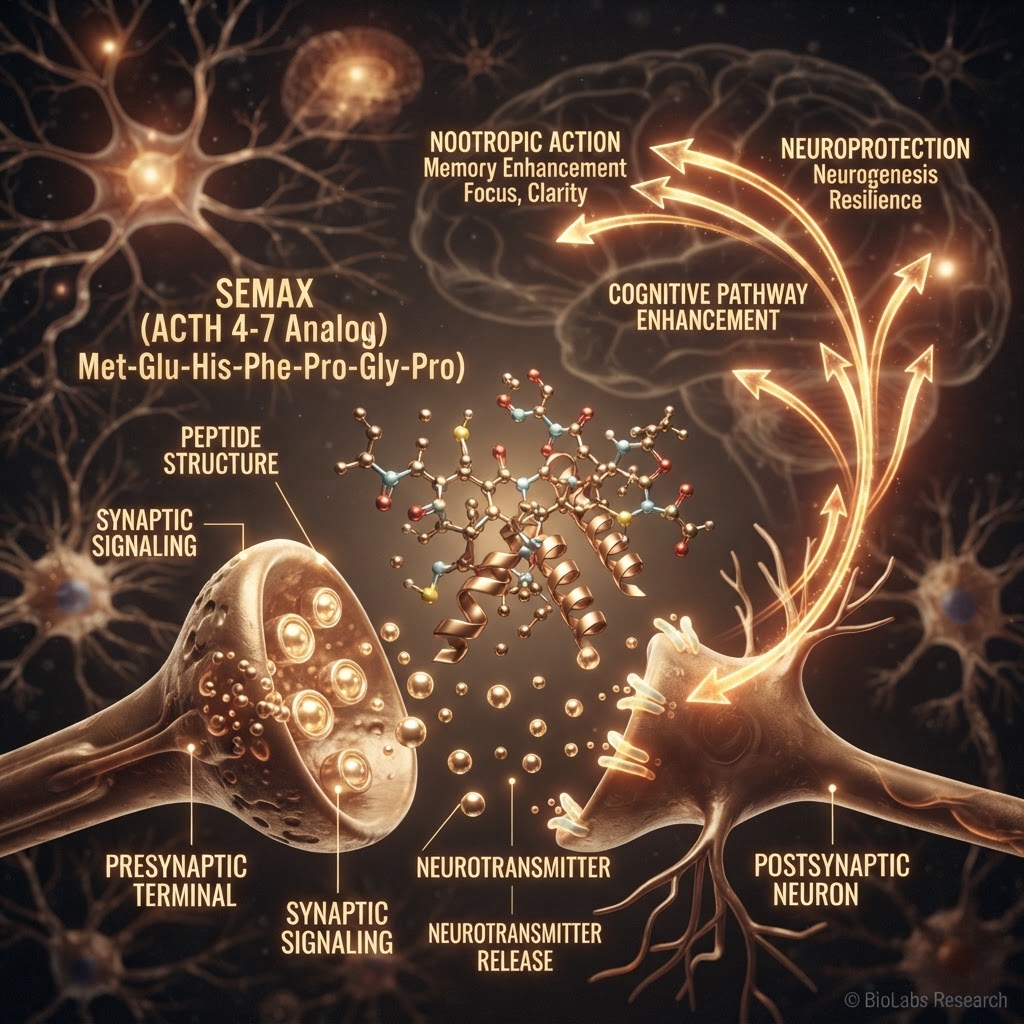
Semax Is ACTH(4–7)-PGP, Sequence MEHFPGP
ACTH(4–7)-PGP, sequence MEHFPGP, CAS 80714-61-0. Catalog RUO is not the Russian registered drug.
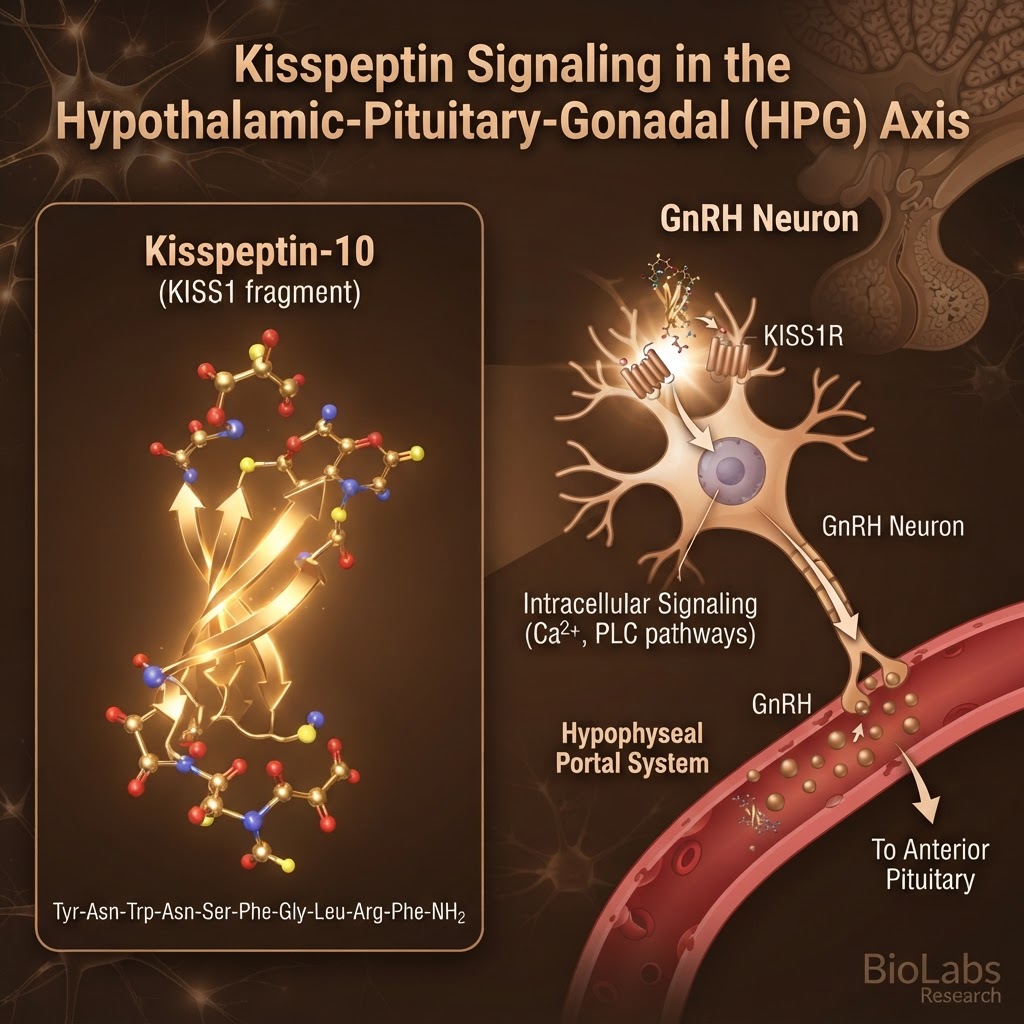
Kisspeptin-10 Is the C-Terminal KISS1 Decapeptide Amide
C-terminal KISS1 decapeptide amide YNWNSFGLRF-NH2. Not kisspeptin-54.
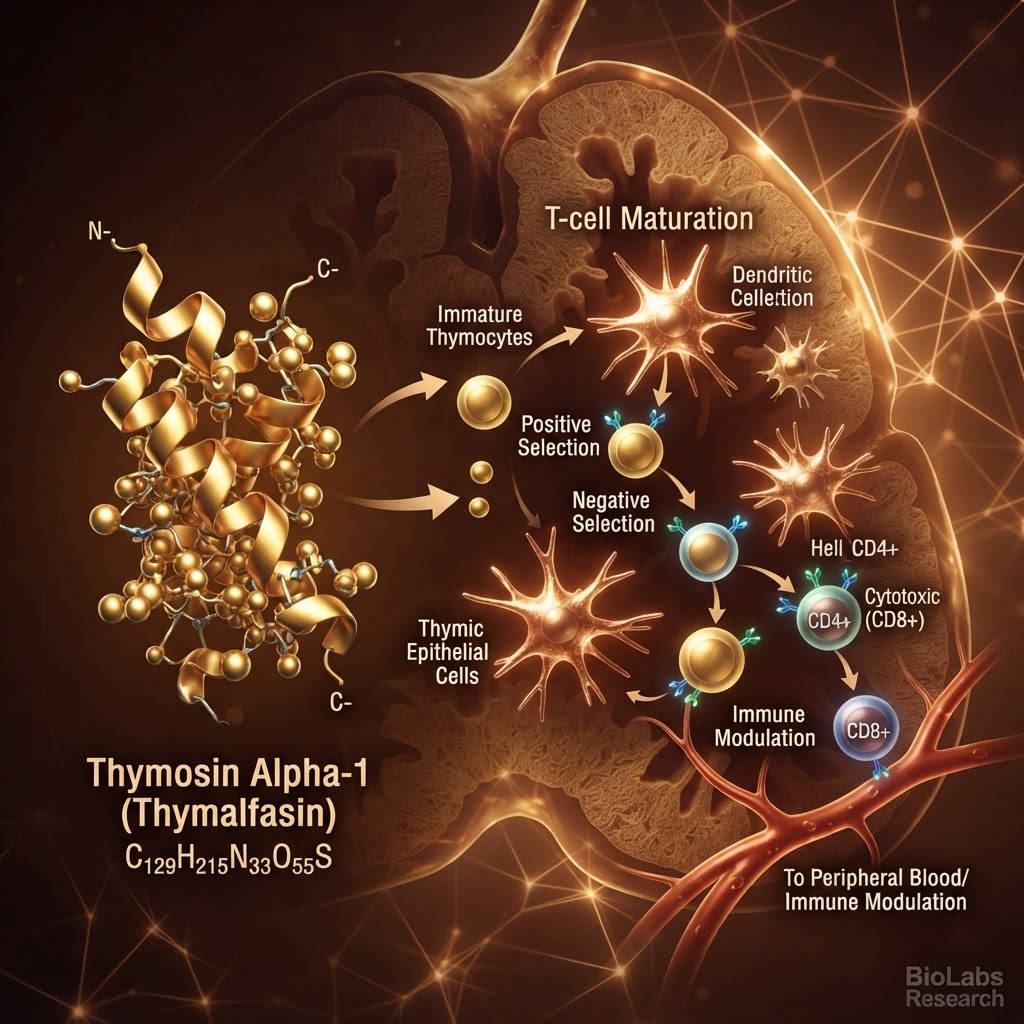
Thymosin Alpha-1 Is the 28-Residue N-Acetyl Peptide, Not TB-500
N-acetyl 28-mer (thymalfasin, CAS 62304-98-7). Unrelated to TB-500.
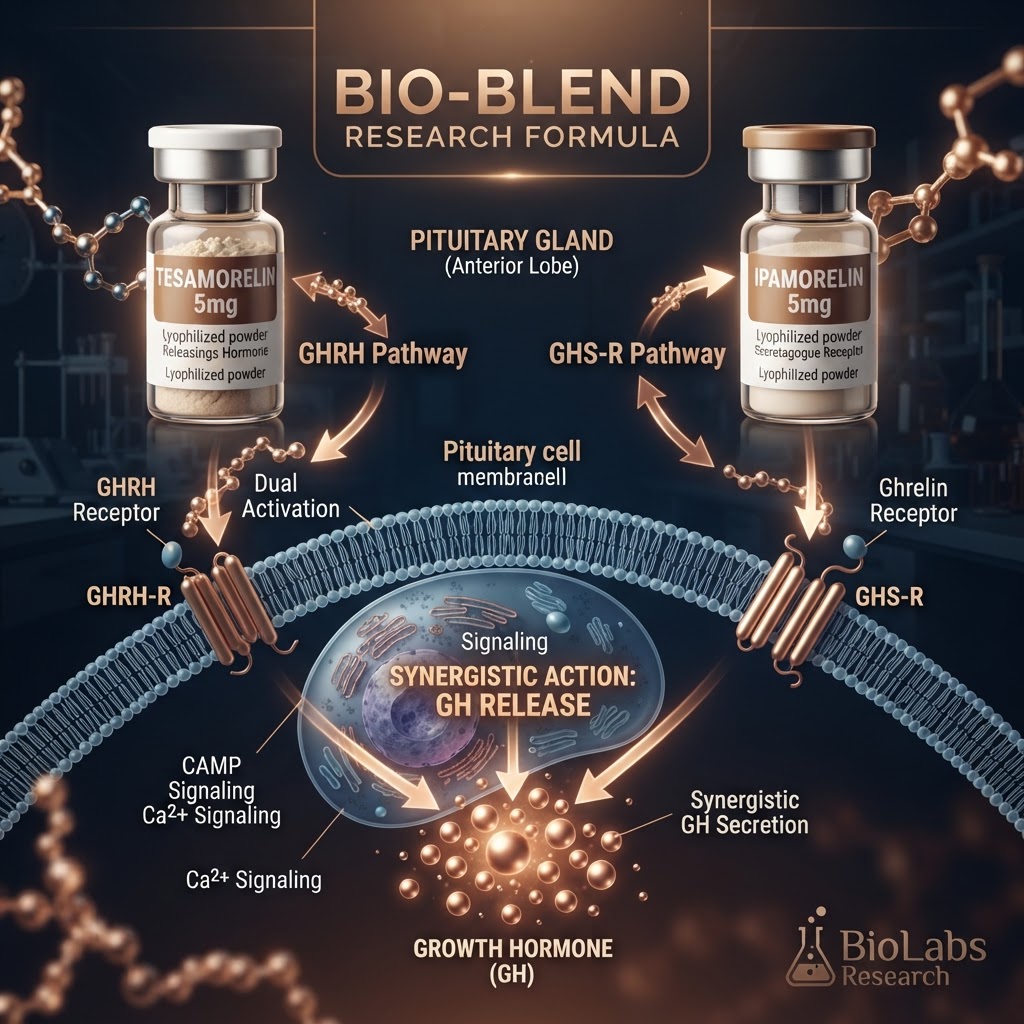
Tesamorelin / Ipamorelin: Two CAS Numbers on One Vial
Two CAS numbers on one vial. Blend COA must show both masses. No mix ratio invented.
BPC-157 / TB-500 Blend: Two Sequences, Two Masses
Two sequences, two masses. A blend is not a third CAS. Lot paper must show both.
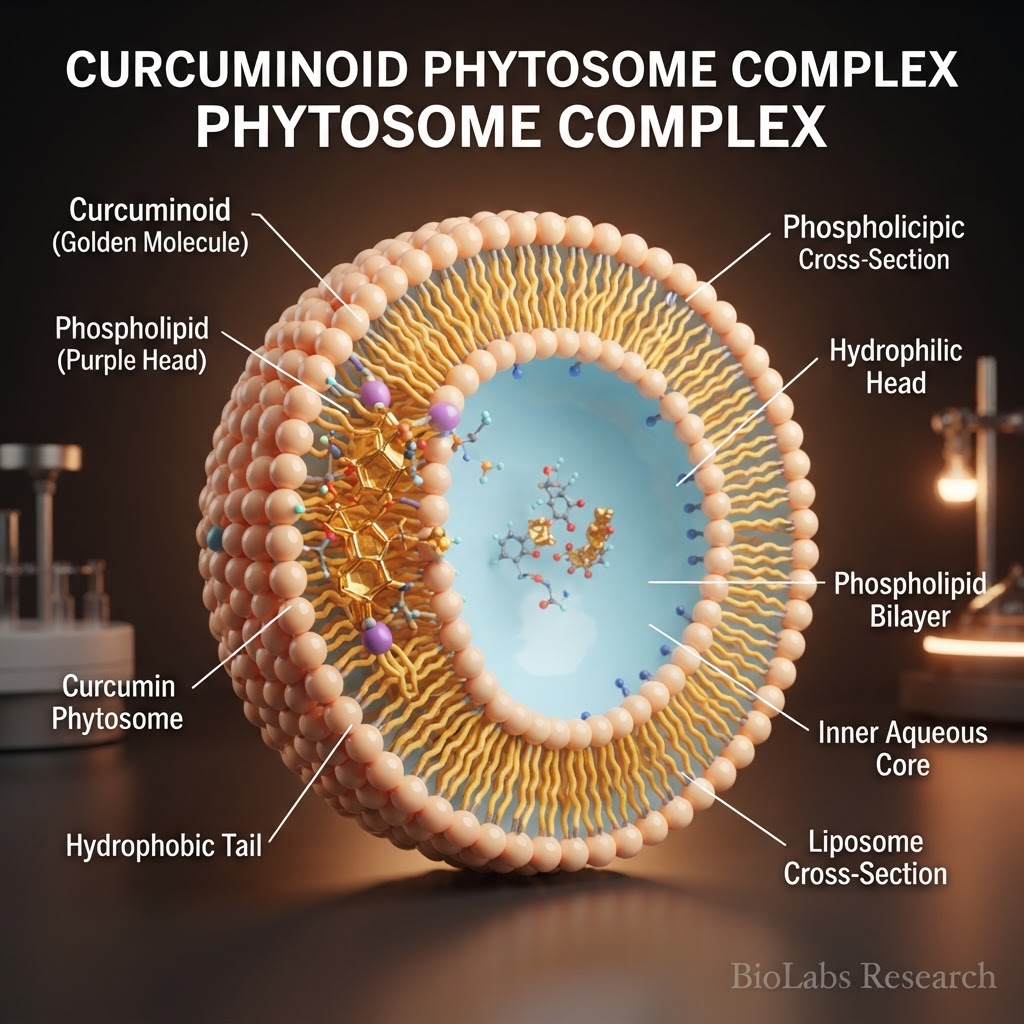
Curcumin Phytosome Is a Complex, Not a Peptide CAS
Curcuminoids + phosphatidylcholine. No peptide CAS. Meriva is a trademark, not a license claim.
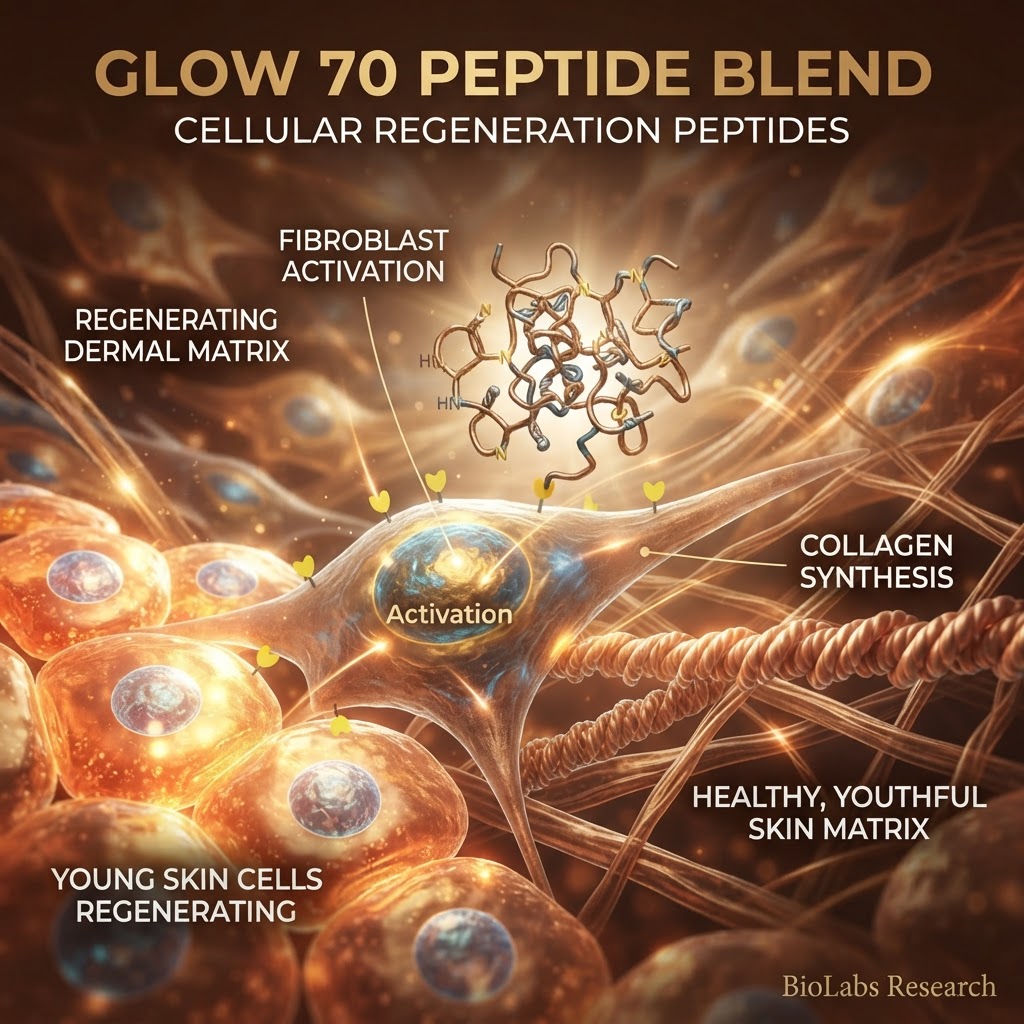
GLOW 70 Is a Named Catalog Blend, Not a CAS Number
A named catalog blend has no CAS. Identity is the lot COA component list.
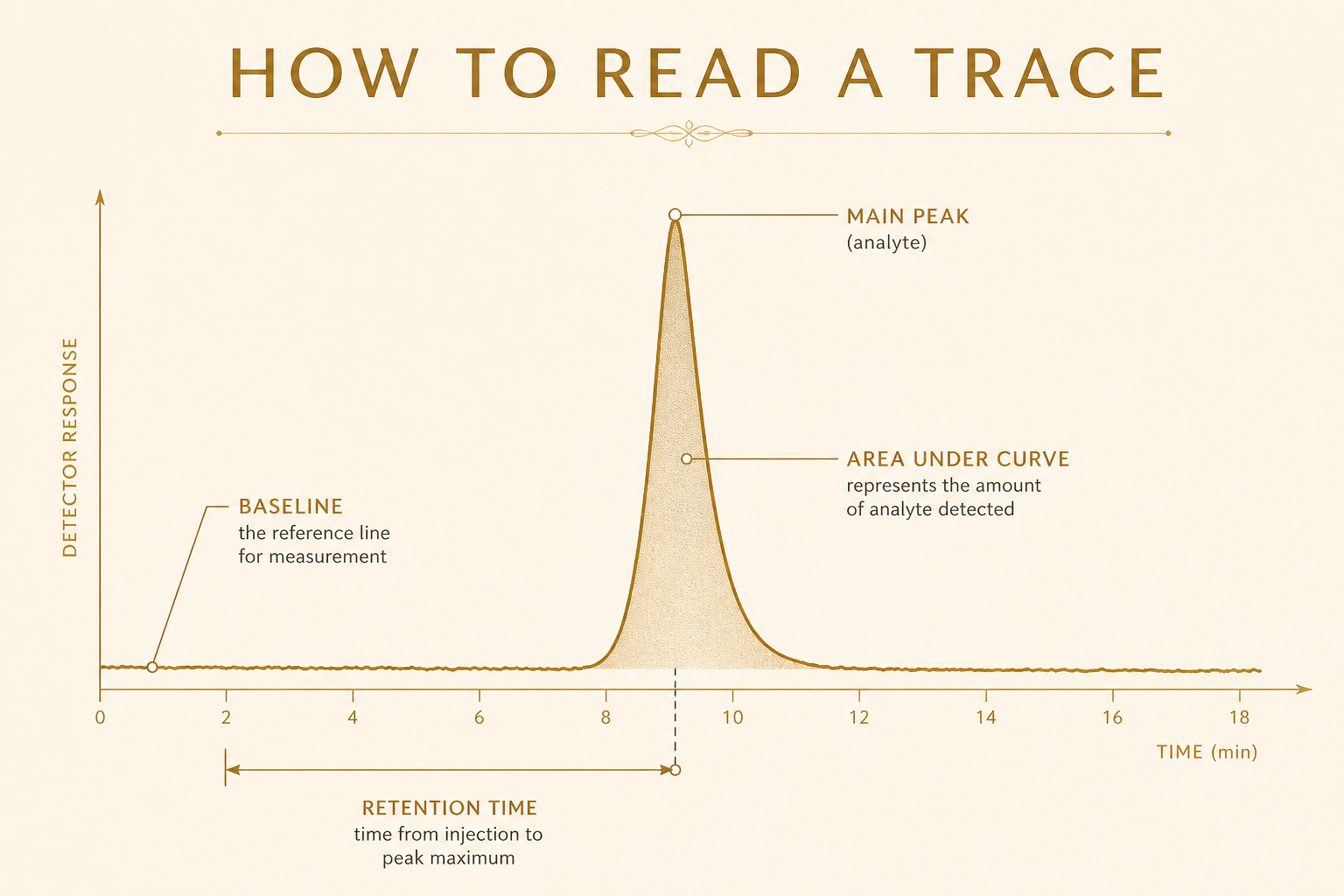
HPLC Area Percent Is Not Net Peptide Content
HPLC area% is a UV chromatogram ratio, not milligrams of peptide in the vial. Mass spec, TFA, and NPC on a lot COA.
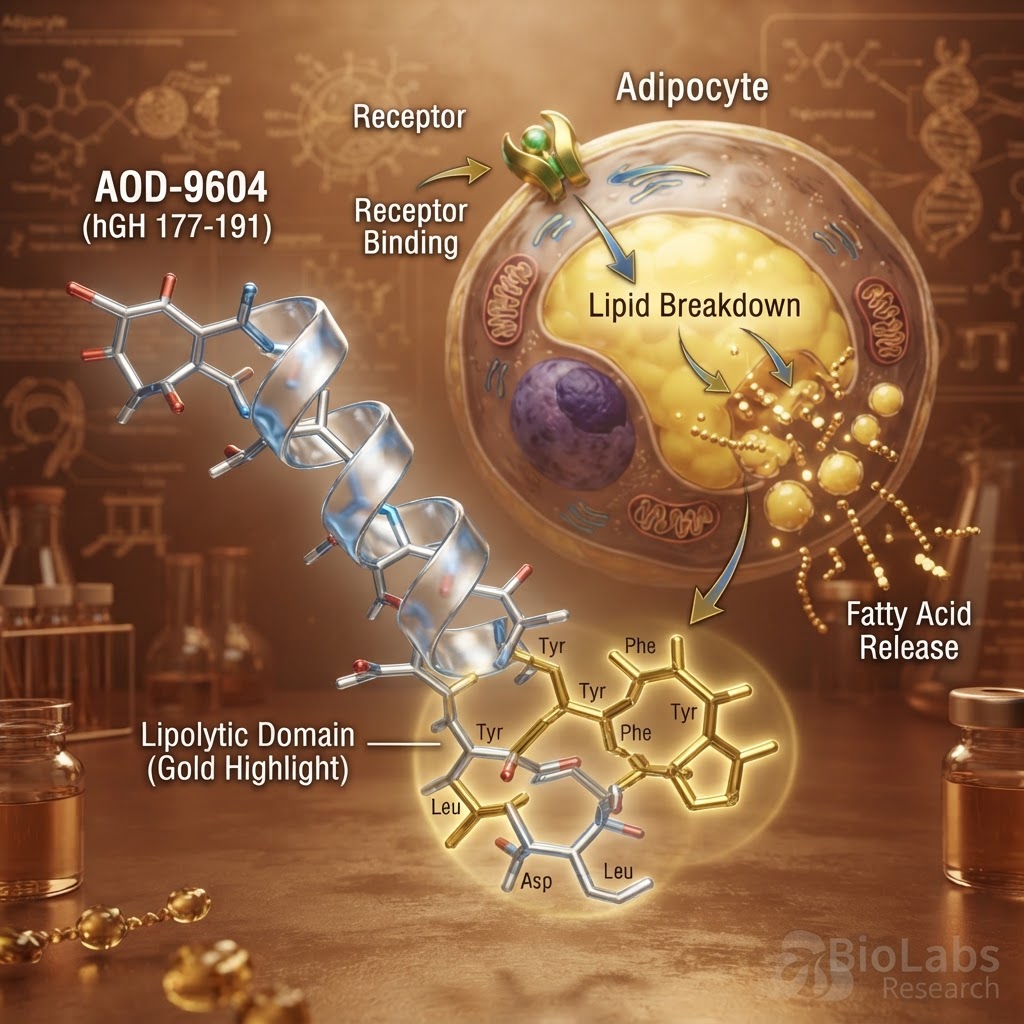
AOD-9604 vs hGH 177–191: Match the Sequence on the Vial
Tyr-hGH 177–191 (CAS 221231-10-3) is not unmodified fragment 176–191. Sequence, disulfide, and CAS on the listing.
What Is BPC-157? A Research Overview
Mechanism, research applications, and how to evaluate lot quality for the pentadecapeptide BPC-157.
Peptide Purity and COA Explained
How to read a Certificate of Analysis: HPLC, mass spec, residual solvents, and endotoxin testing.
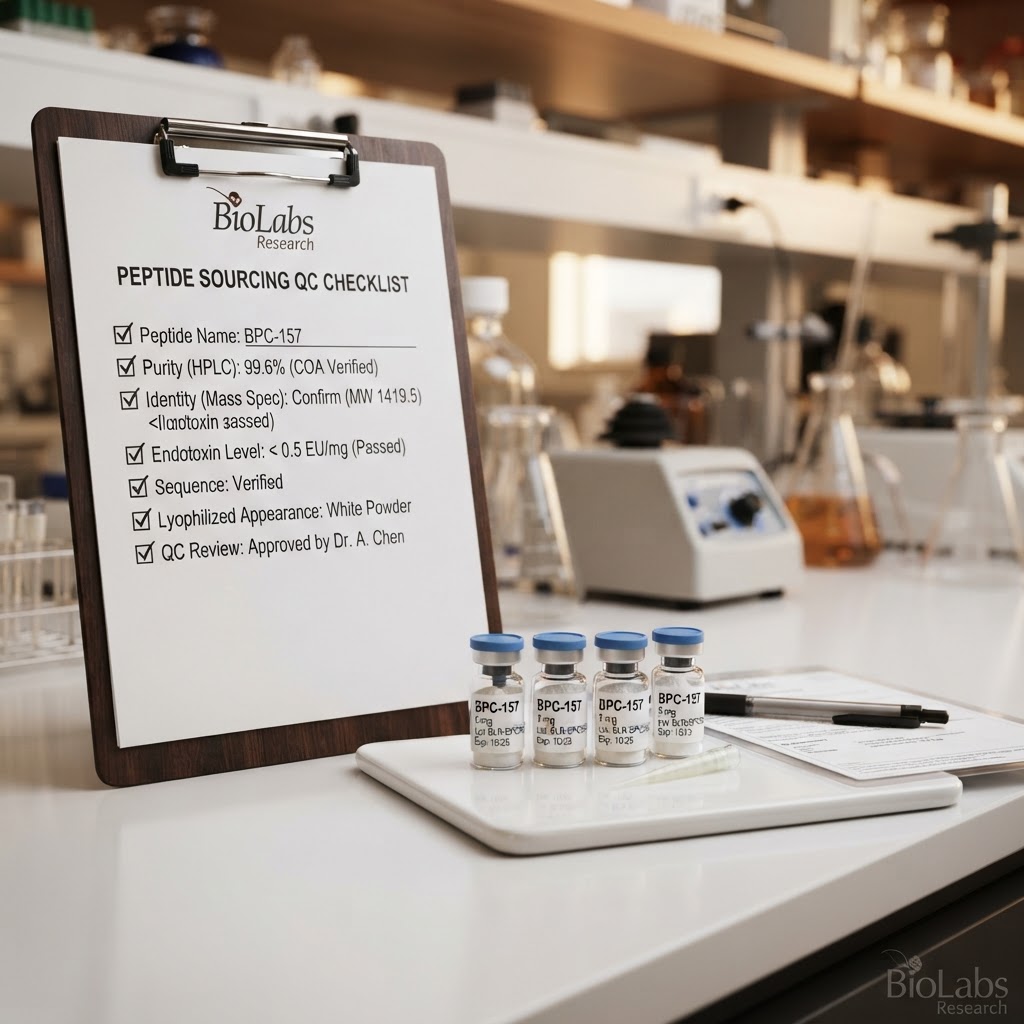
Buying Research Peptides Online: 2026 Guide
What to look for in a peptide supplier, COA requirements, red flags, and a sourcing checklist.
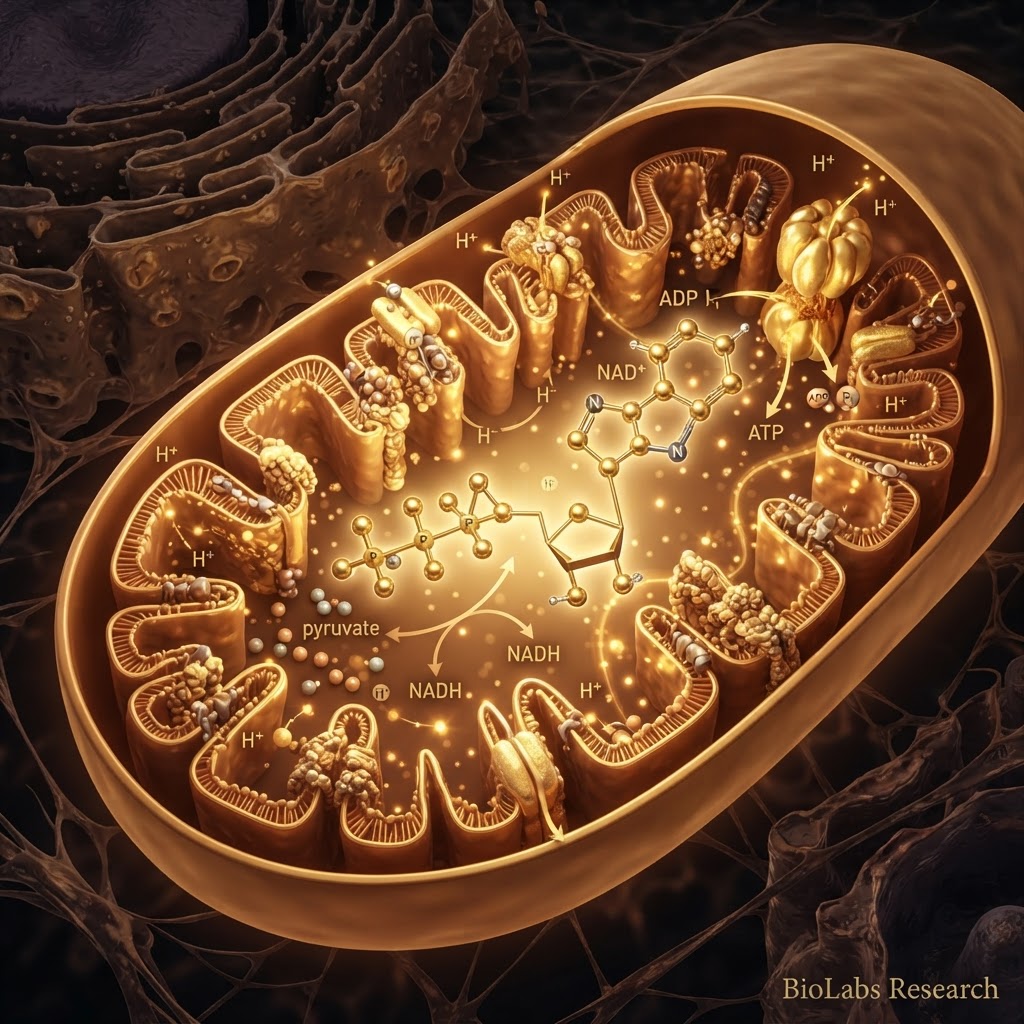
NAD+ Research Applications
Biochemical role of NAD+ in metabolism, aging research, and sourcing for laboratory studies.
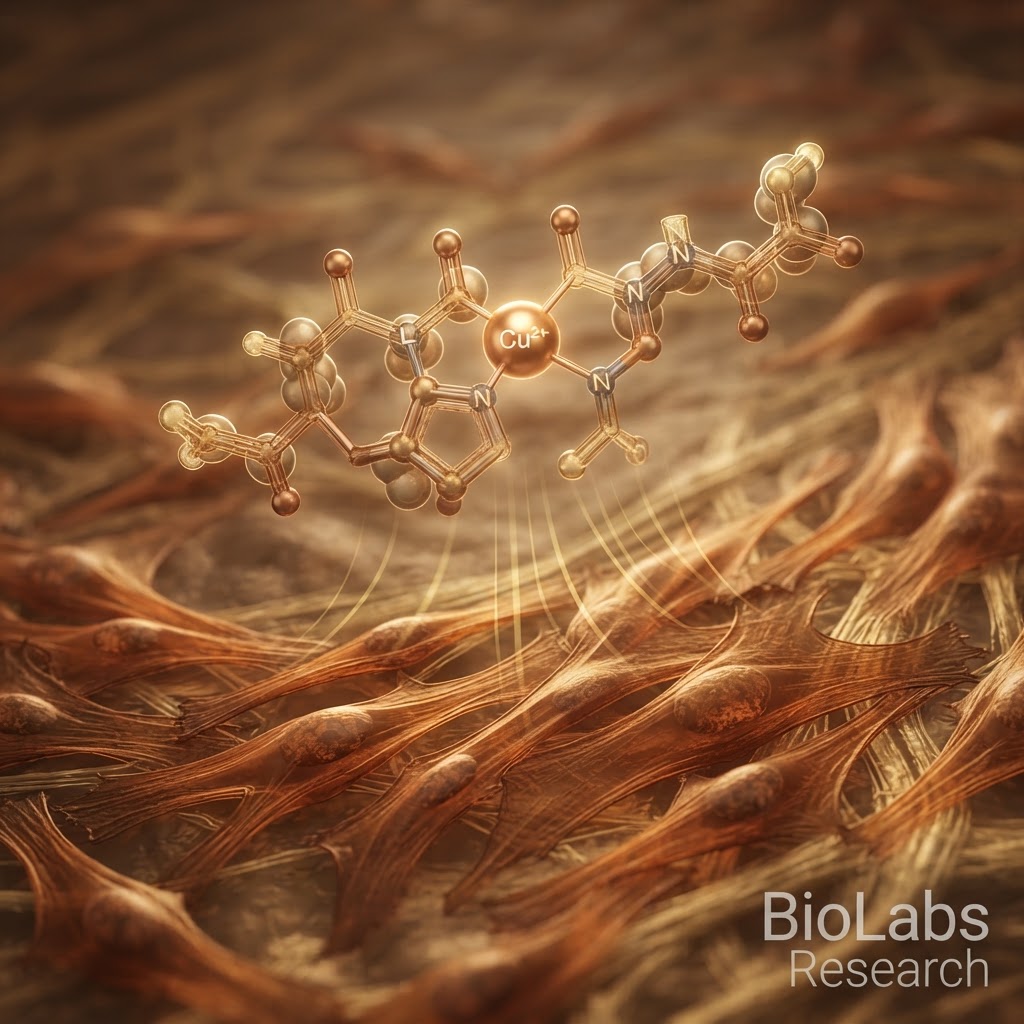
GHK-Cu Copper Peptide: Research Overview
The copper-binding tripeptide in wound healing, dermatological, and anti-inflammatory research.
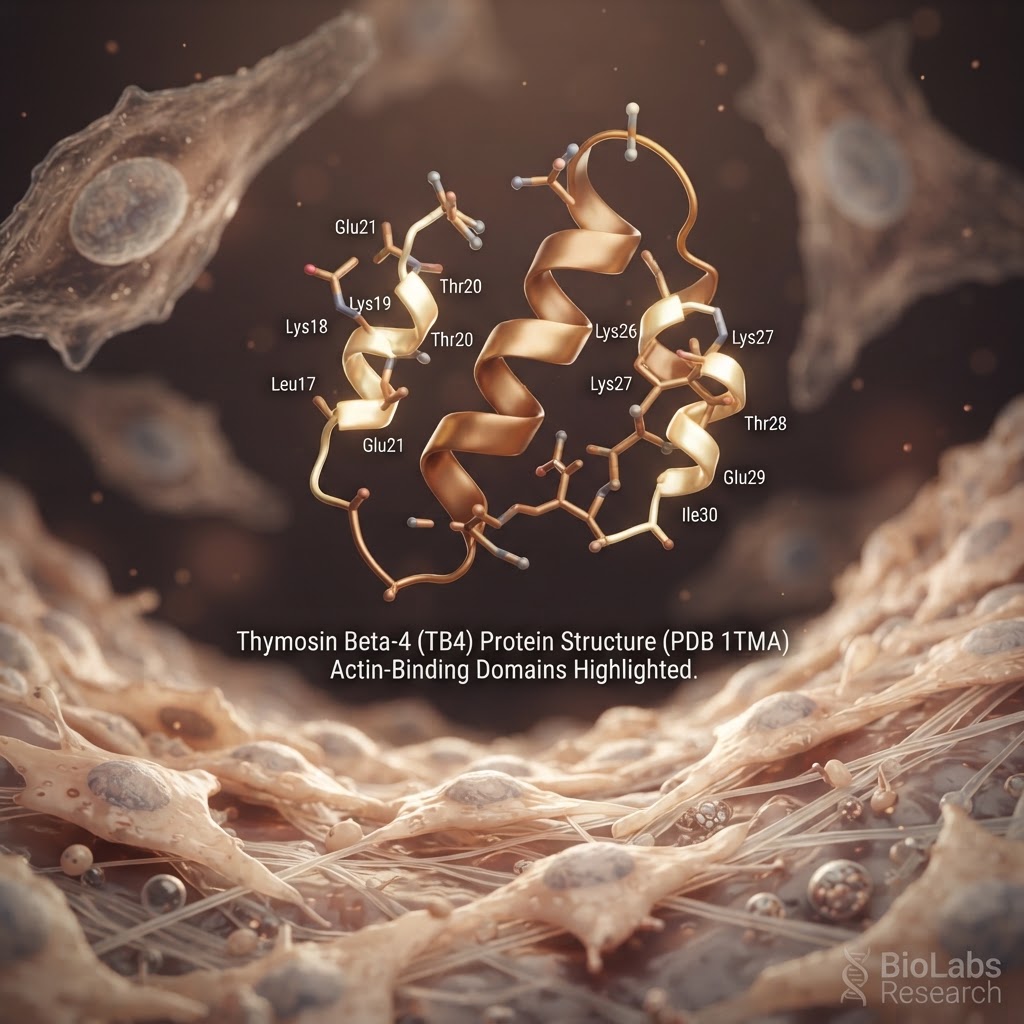
TB-500 (Thymosin Beta-4) Research Overview
Mechanism, tissue repair research, and sourcing for laboratory studies of this thymus-derived peptide.
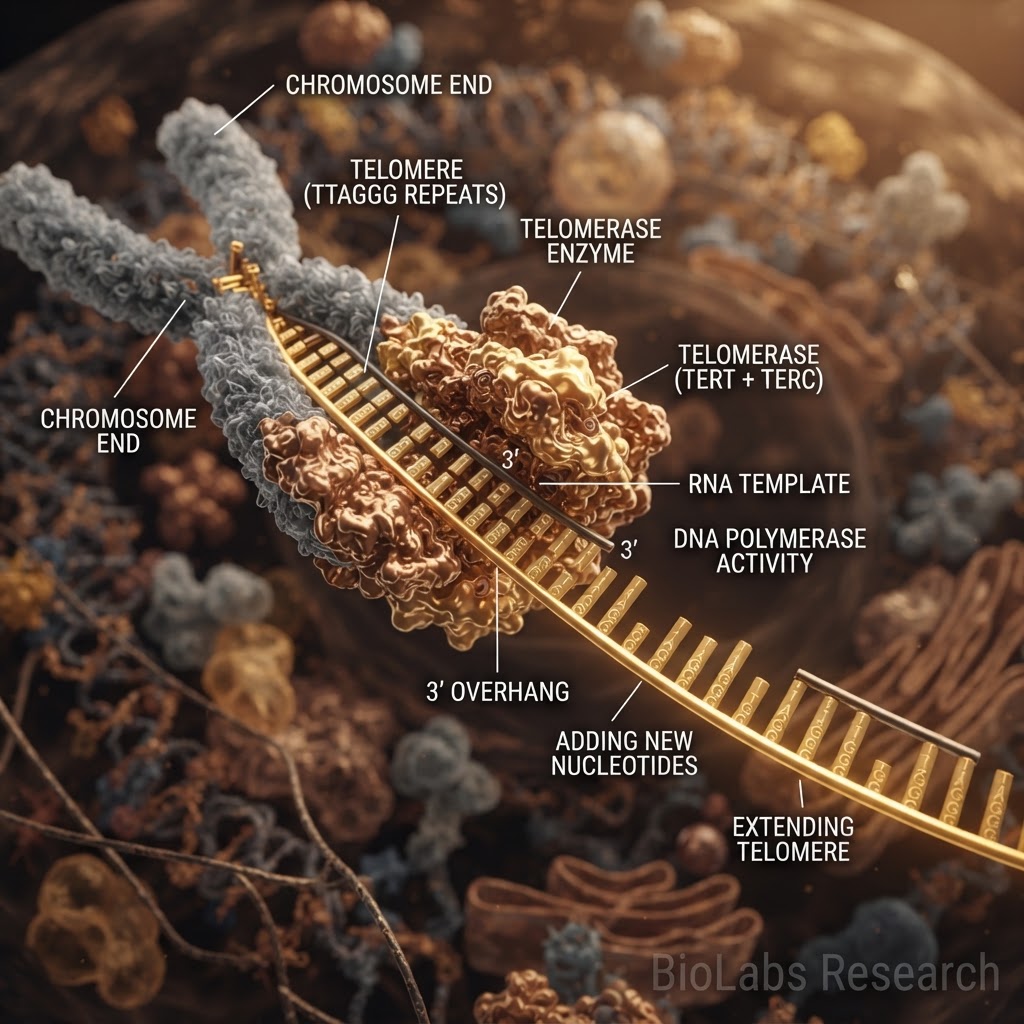
Epithalon: Aging Research Overview
Telomerase activation, cellular aging models, and sourcing for longevity research.
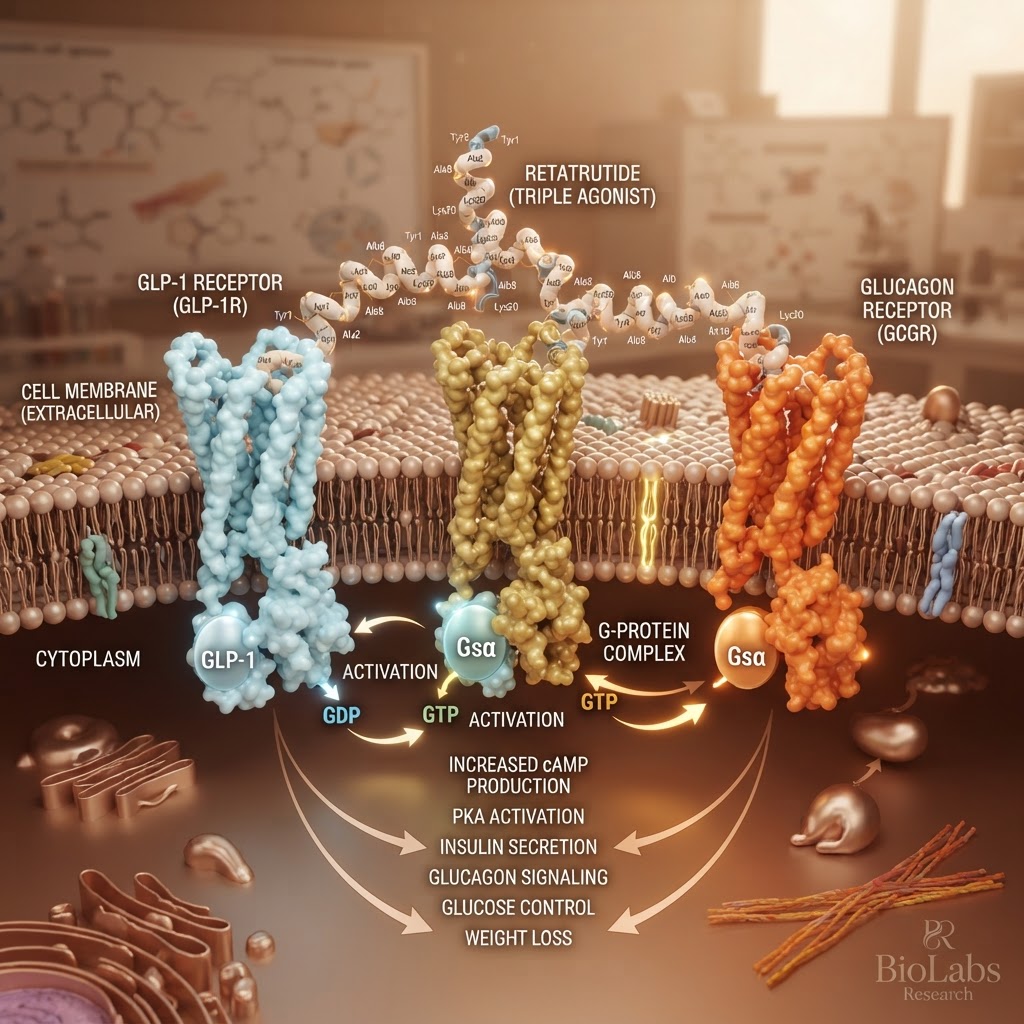
R3TA: Metabolic Research Overview
Triple GLP-1/GIP/glucagon receptor agonist — mechanism and metabolic research applications.
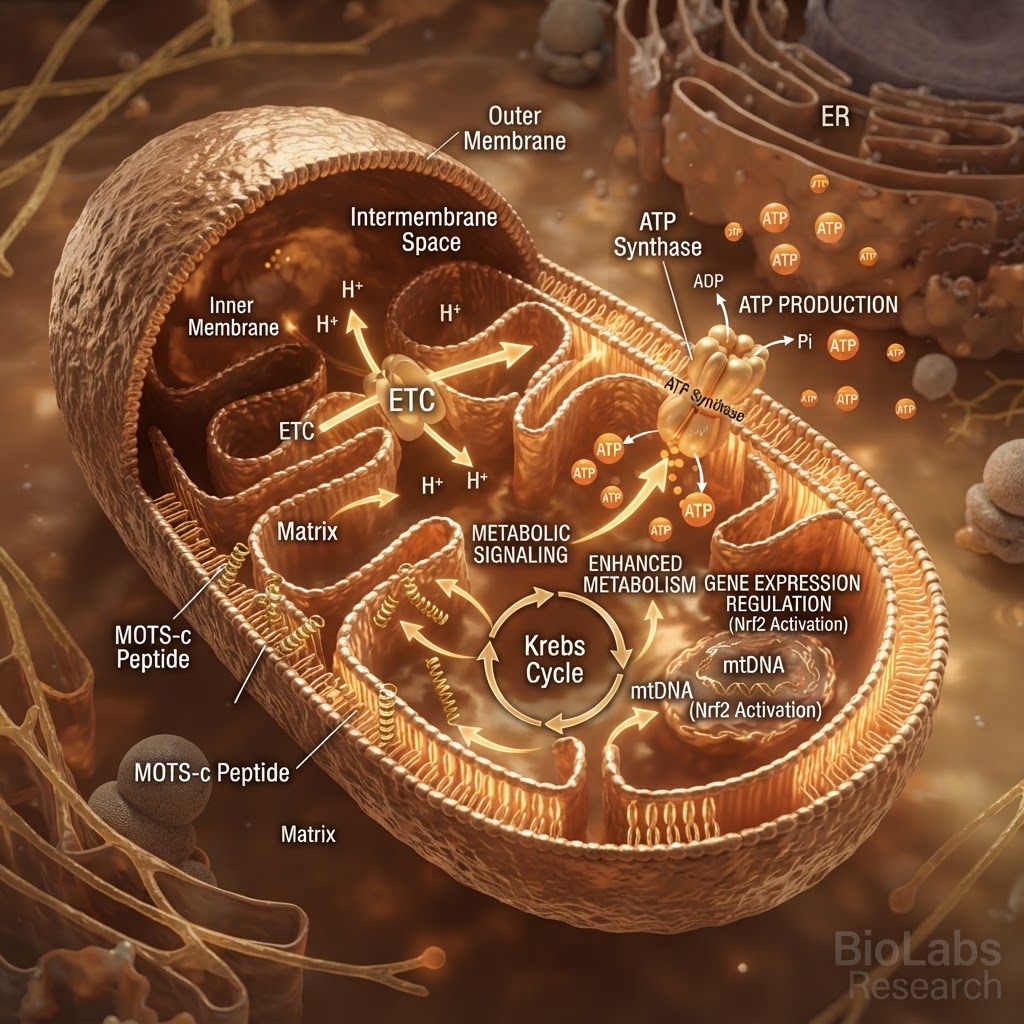
MOTS-c: Mitochondrial Research Peptide
Mitochondrial-derived peptide in metabolic regulation, exercise mimicry, and aging research.