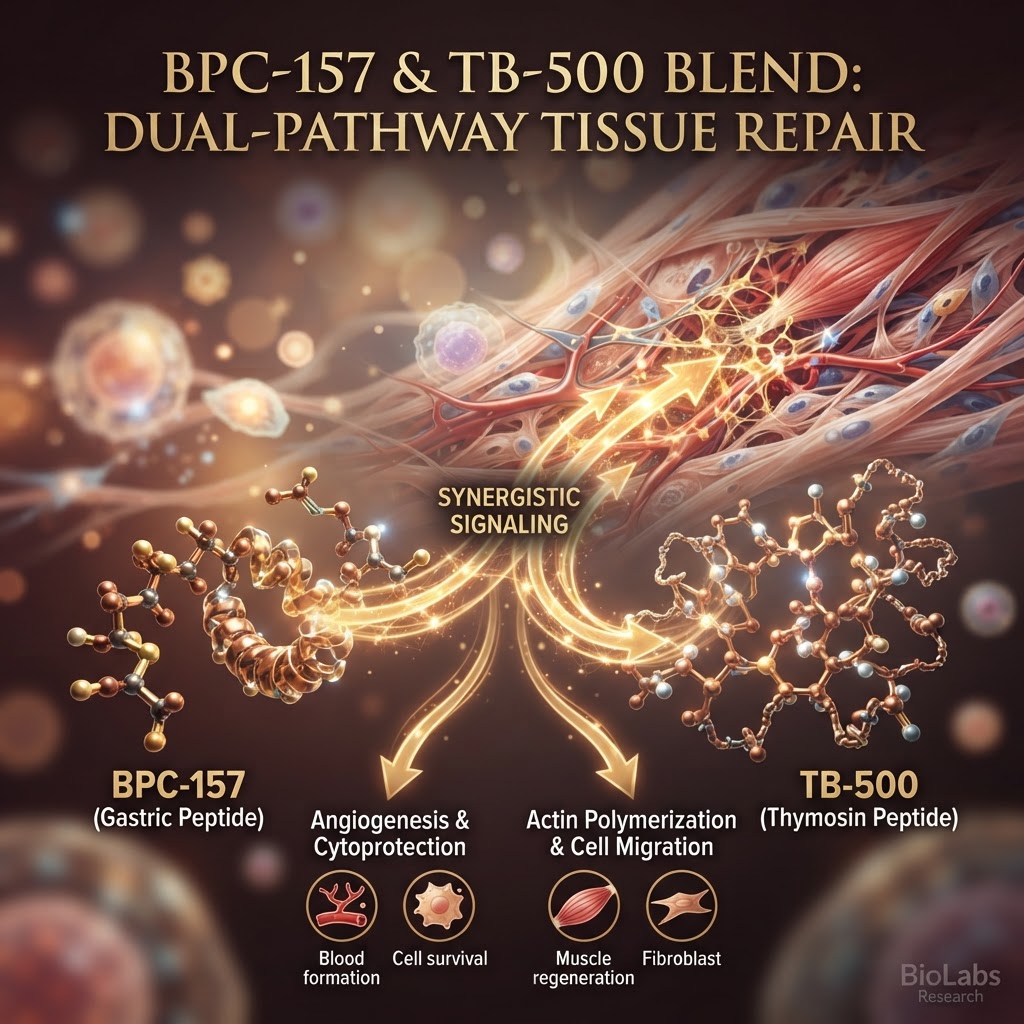
One vial, two CAS numbers — blend identity
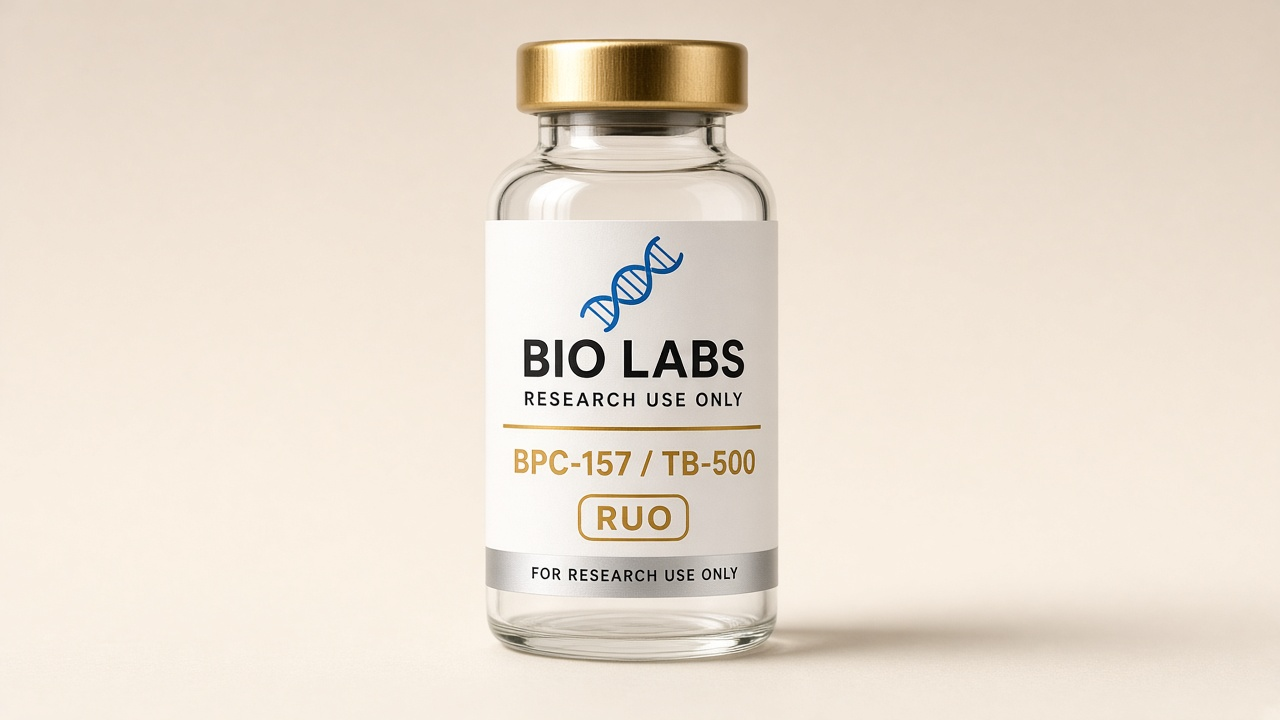
BPC-157 / TB-500 blend vial
CAS Registry Numbers index defined substances (or defined salts), not storefront mix names. When two peptides share one vial, the correct label is two CAS numbers — one for each component — plus the sequences and theoretical masses that go with them. Mixing two reagents does not mint a third registry entry.
A usable blend COA therefore shows both identities: sequence (or structure) for each component, observed mass for each, and chromatogram information that can be read against those named peaks. One sequence line with two peaks, or two masses with only one CAS, is incomplete lot paper. Component amounts belong on the certificate only when measured for that lot.
On this catalog, examples include the BPC-157 / TB-500 blend and the tesamorelin / ipamorelin blend. Each listing names both molecules. Trade-name blends that never name components have no CAS until a lot COA lists molecules — see the GLOW 70 identity note.
HPLC area% on a blend is still a UV ratio under one method. Two main peaks can yield two area% values and still tell you nothing about milligrams of either peptide. Do not convert a chromatogram ratio into a weighing factor. Read HPLC area percent vs net peptide content before treating any percentage on blend paper as net content.
If the COA is silent on both masses, it is not a blend COA. If only one CAS appears on a two-name carton, request corrected lot paper before use. Questions: admin@biolabsresearch.co.