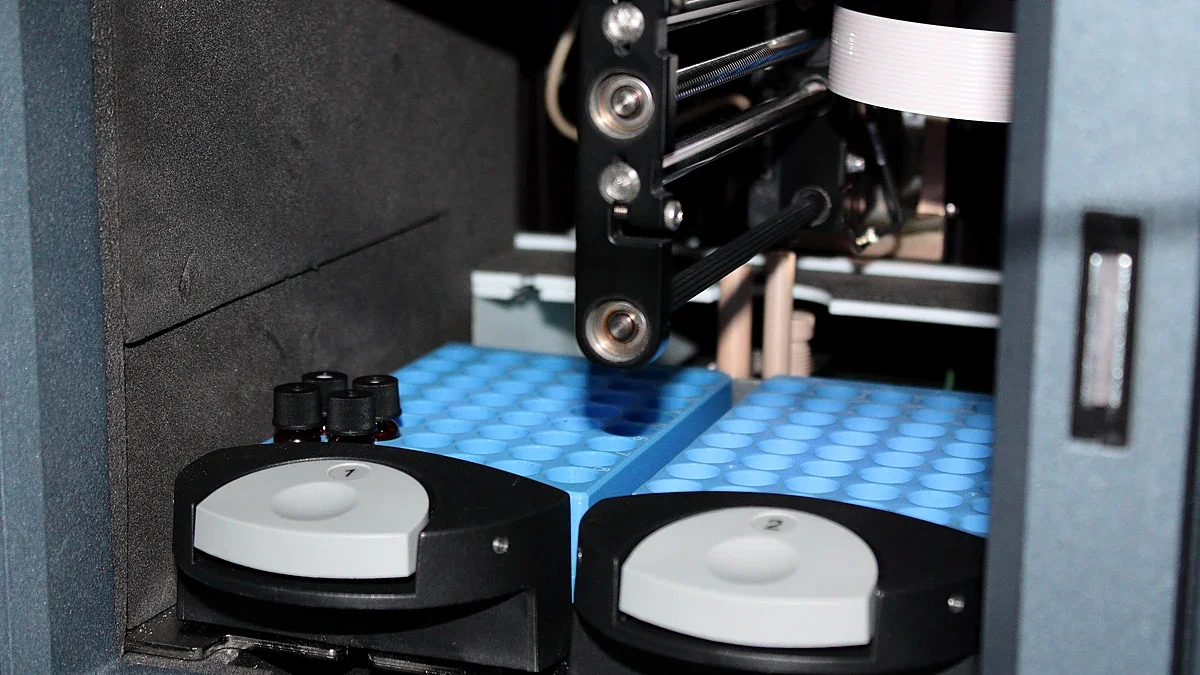
SLIM ion mobility-MS workflow raises peptide identifications more than tenfold over single-shot LC-MS
Researchers at Pacific Northwest National Laboratory reported in the Journal of Proteome Research, published online on 18 October, fracSLIM, a high-throughput proteomics workflow that combines offline peptide fractionation with high-resolution ion mobility spectrometry-mass spectrometry (IMS-MS) based on structures for lossless ion manipulation (SLIM).
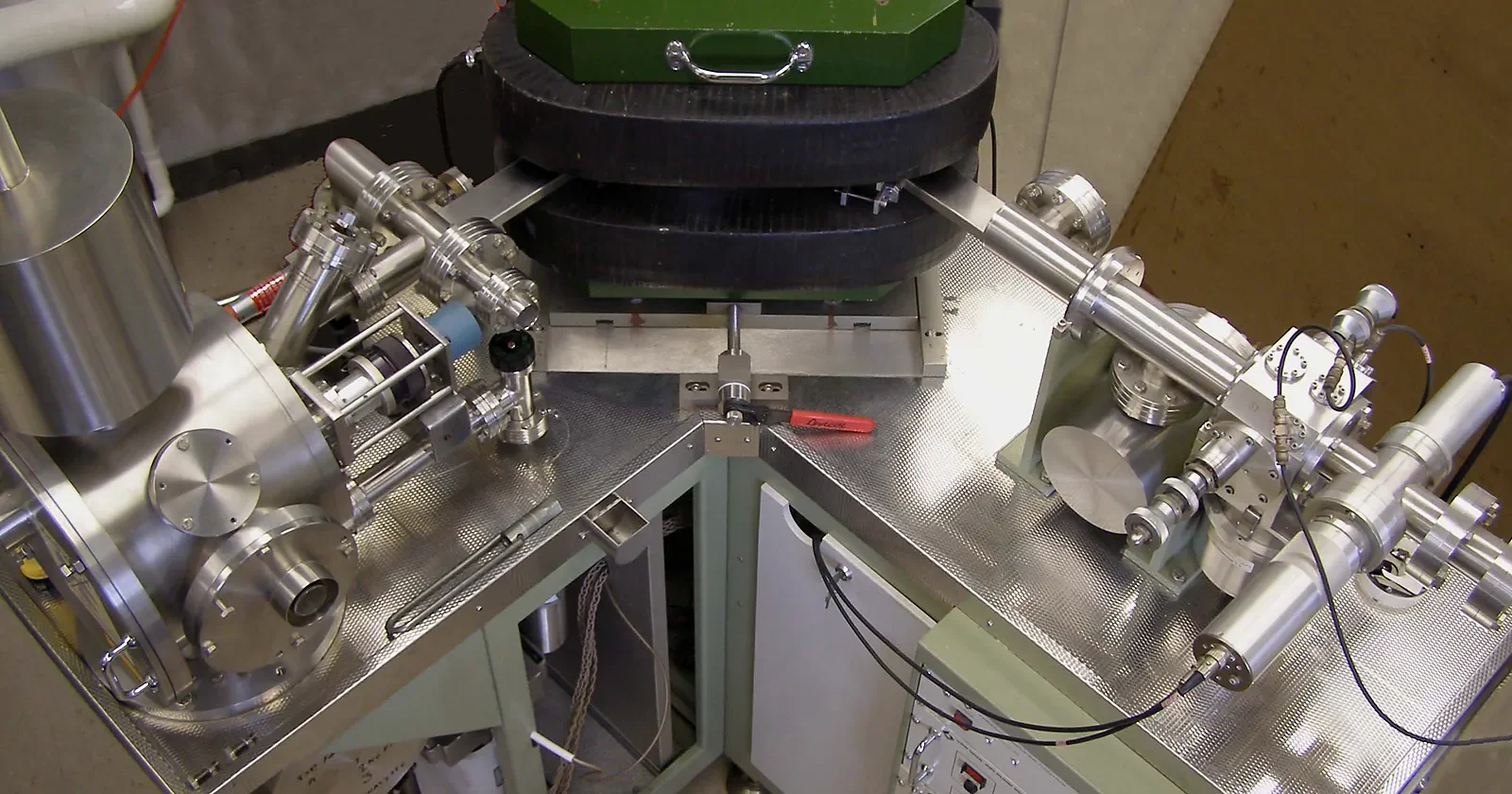
Summary. Researchers at Pacific Northwest National Laboratory reported in the Journal of Proteome Research, published online on 18 October, fracSLIM, a high-throughput proteomics workflow that combines offline peptide fractionation with high-resolution ion mobility spectrometry-mass spectrometry (IMS-MS) based on structures for lossless ion manipulation (SLIM). Comprehensive proteome profiling has traditionally relied on advances in mass spectrometry and chromatographic separation to gain depth and throughput. Ion mobility adds a gas-phase separation that sorts ions by their size and shape as well as by their mass-to-charge ratio.
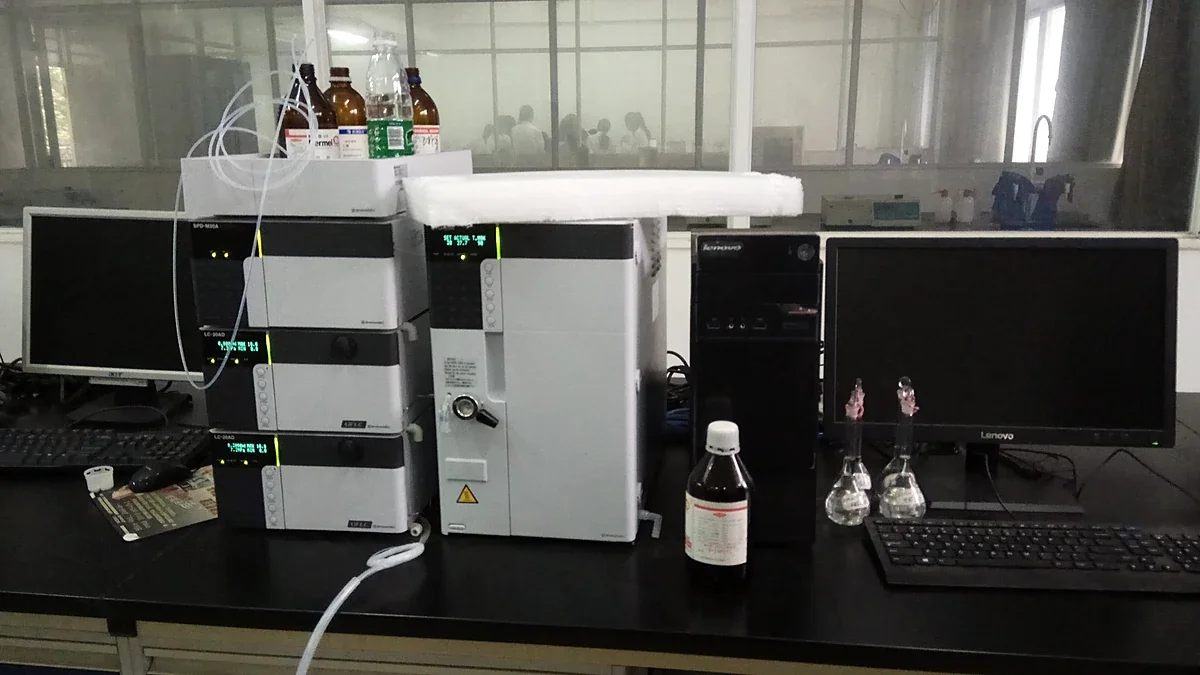
Research context (RUO). The workflow uses information derived from ion mobility, including improved separation of isomeric and isobaric species and accurate collision cross-section (CCS) measurements, to support confident peptide identification. In an evaluation on complex samples, the authors analysed three fractions of peptide digests from the HeLa cell line and report more than a tenfold increase in peptide identifications compared with conventional single-shot LC-MS workflows, while reproducibility remained high. The workflow also supports quantitative analysis by comparing endogenous peptides with heavy-isotope-labelled standards. The authors conclude that fracSLIM has the potential to greatly improve high-throughput, deep proteome profiling of complex samples. The cell-line digests serve only as an analytical test sample. The paper is an analytical-methods report with no clinical component. For mass-spectrometry and protein-characterization laboratories, it shows how high-resolution ion mobility combined with modest fractionation can add substantial depth to peptide-level proteomics.