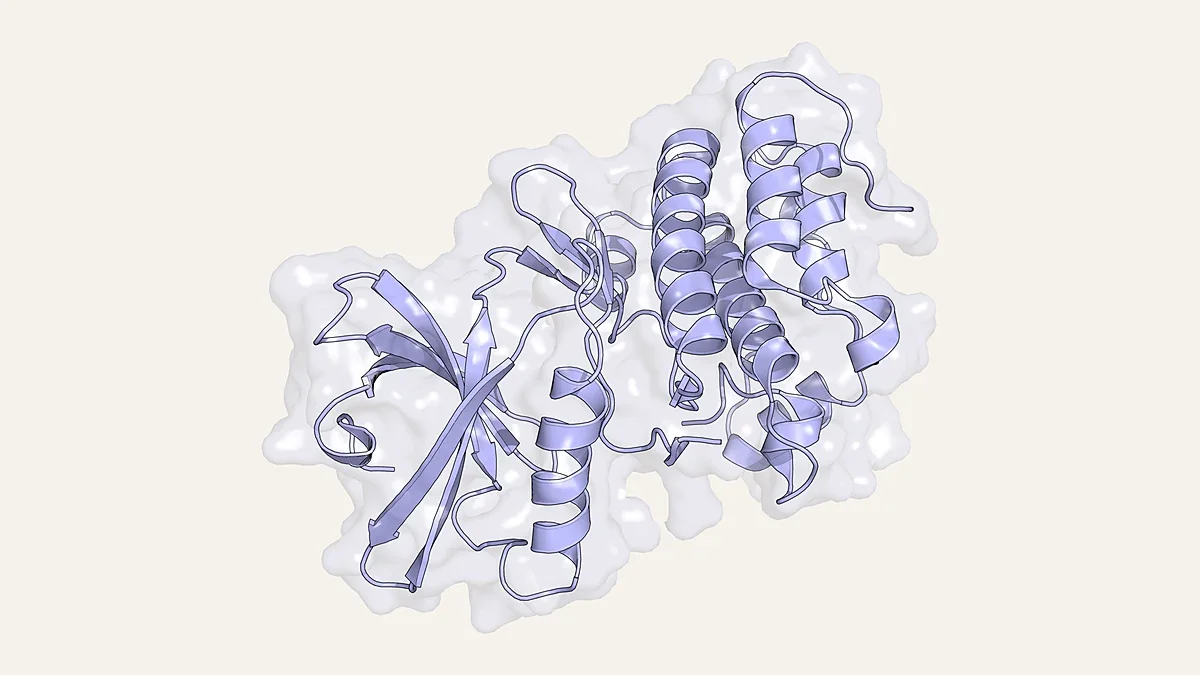
Bacterial defence systems disable phage tail fibres so that newly made virus particles cannot infect
Researchers at West China Hospital, Sichuan University, in Chengdu reported in Nature Communications, published online on 19 October, two bacterial anti-phage defence systems that act directly on a viral structural protein.
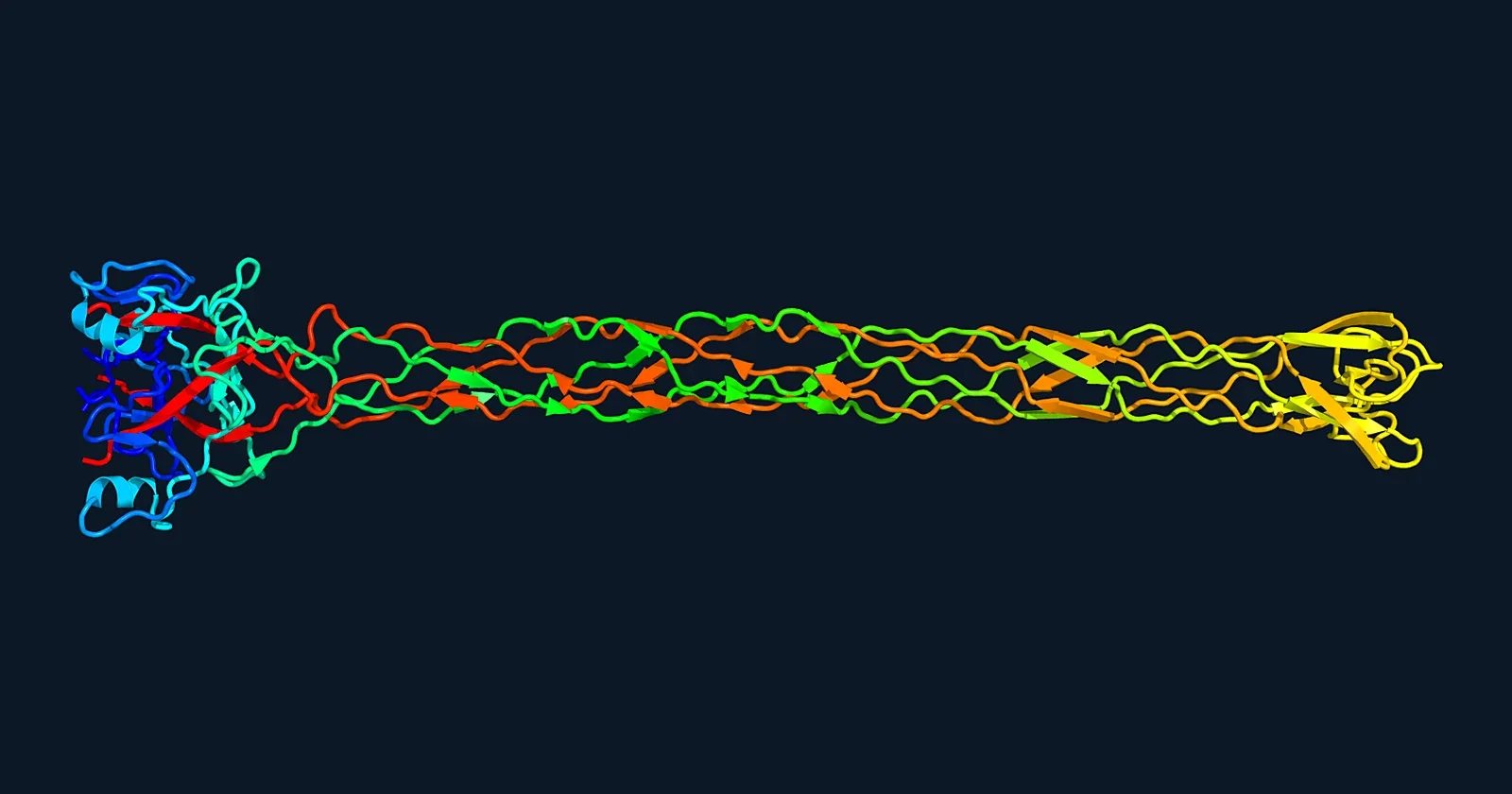
Summary. Researchers at West China Hospital, Sichuan University, in Chengdu reported in Nature Communications, published online on 19 October, two bacterial anti-phage defence systems that act directly on a viral structural protein. Bacteria use many strategies to resist bacteriophages, the viruses that infect them, but mechanisms that target viral proteins directly have rarely been documented. Both systems, named TFAD1 and TFAD2, act on the phage long tail fibre proteins, the structures a phage uses to recognise and attach to a host cell.
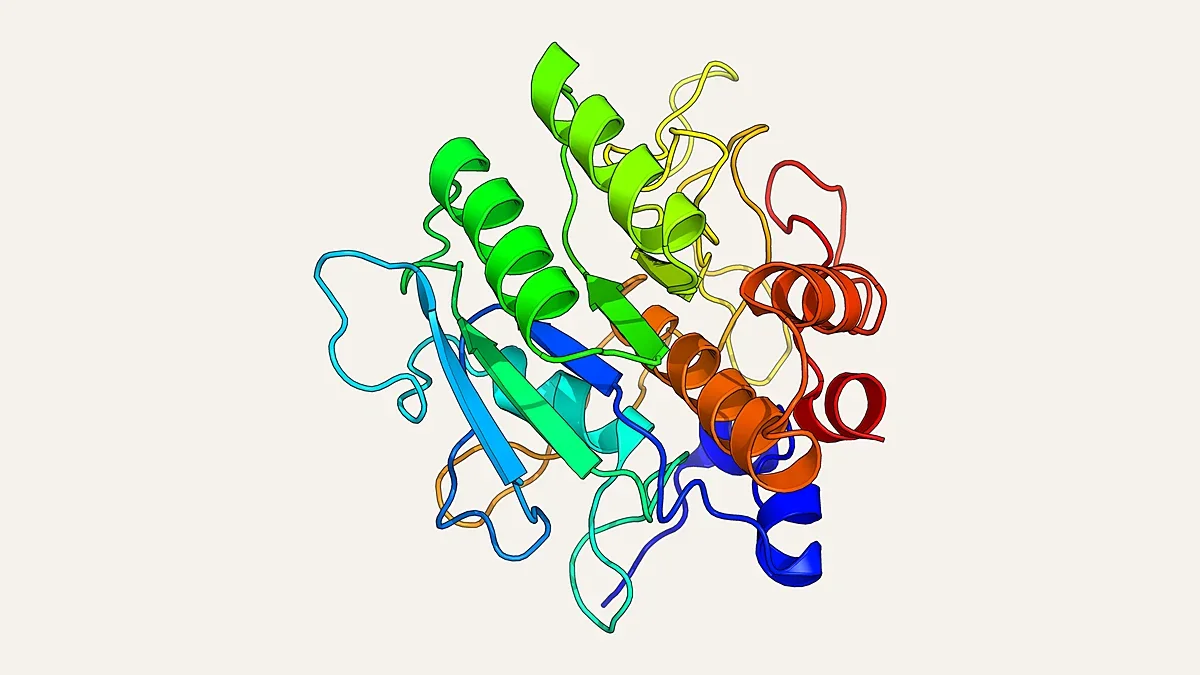
Research context (RUO). TFAD1 contains a serine protease and degrades the tail fibre protein, while TFAD2 contains a serine/threonine kinase and modifies it by phosphorylation. In both cases the phage completes its replication cycle, but the progeny particles it produces are not infective. The authors distinguish this from classical abortive infection, in which an infected cell shuts down before the phage can finish replicating, and they name the new mechanism passive abortive infection. They describe the findings as expanding the picture of bacterial immunity to include protease- and kinase-mediated incapacitation of phage structural proteins, and as offering insight into the molecular arms race between bacteria and phages. The paper is open access, with supplementary information and source data published alongside it. The study is basic microbiology and protein biochemistry with no clinical component. For laboratories studying bacteria-phage interactions, proteases or protein phosphorylation, it describes a defence strategy in which the virus is allowed to replicate but its offspring are disarmed.