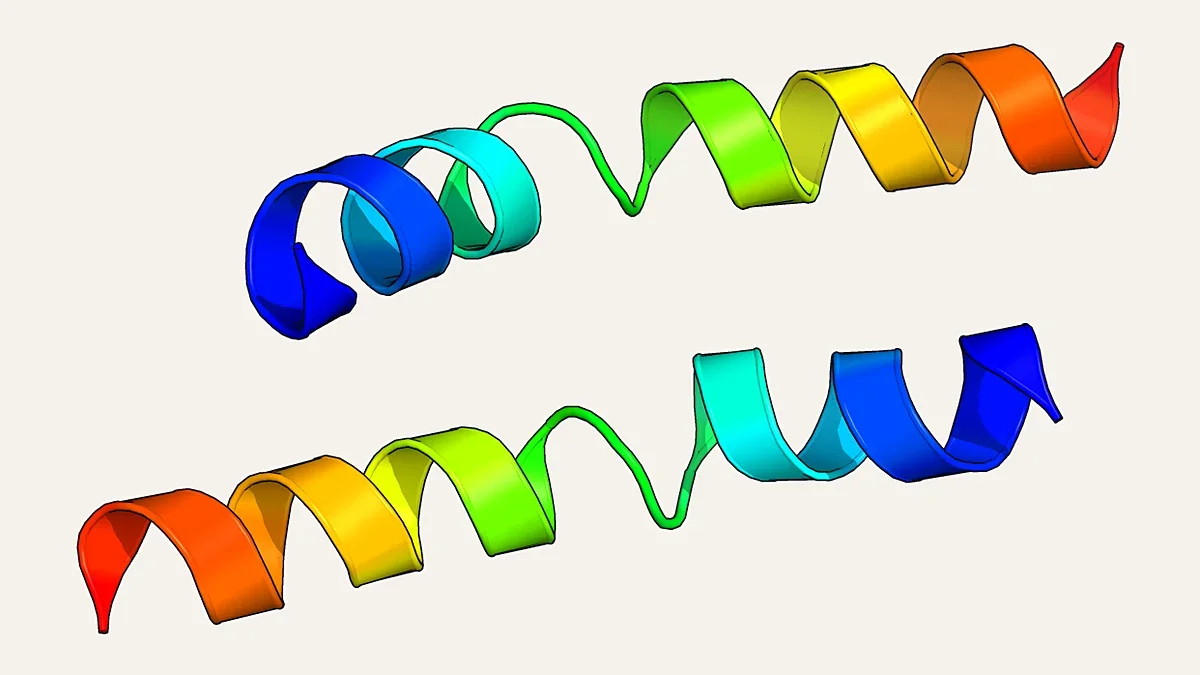
Deep-learning 'chain-as-prompt' framework designs antimicrobial lipopeptides from bacterial genome mining
Researchers at Shanghai Jiao Tong University in China reported in Nature Communications, published online on 17 October, a deep-learning framework for the de novo design of antimicrobial lipopeptides, short peptides carrying an N-terminal fatty-acid chain.
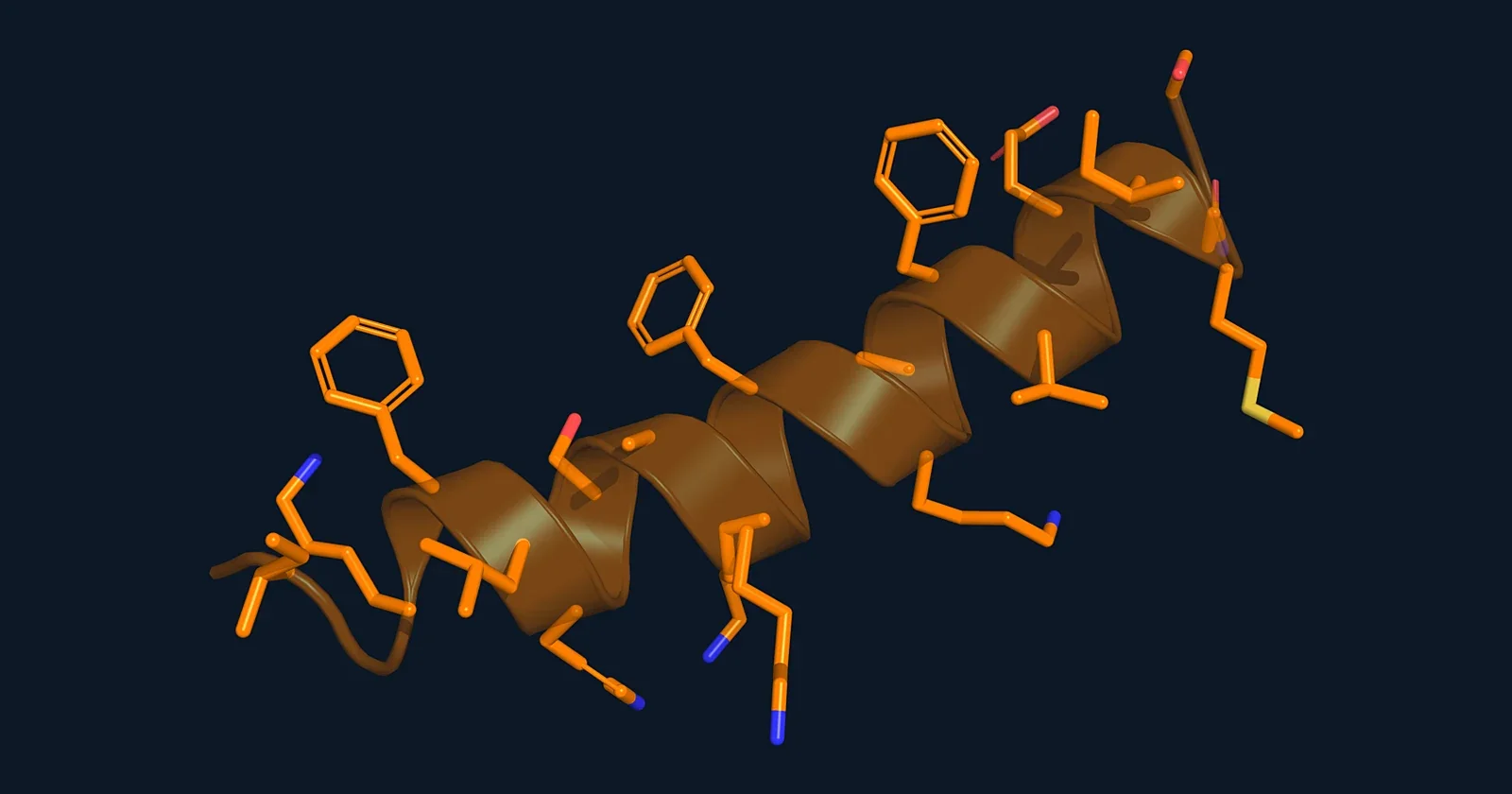
Summary. Researchers at Shanghai Jiao Tong University in China reported in Nature Communications, published online on 17 October, a deep-learning framework for the de novo design of antimicrobial lipopeptides, short peptides carrying an N-terminal fatty-acid chain. The authors note that existing computational models rarely account for that lipid modification, and they address it with a 'chain-as-prompt' mechanism combined with domain-adaptive transfer learning that links peptide sequence to lipid-influenced activity. Starting from 2,657 evolutionarily selected core peptide sequences mined from 96,911 bacterial genomes, the pipeline modelled virtual lipidation with seven fatty-acid chains and screened the candidates computationally.
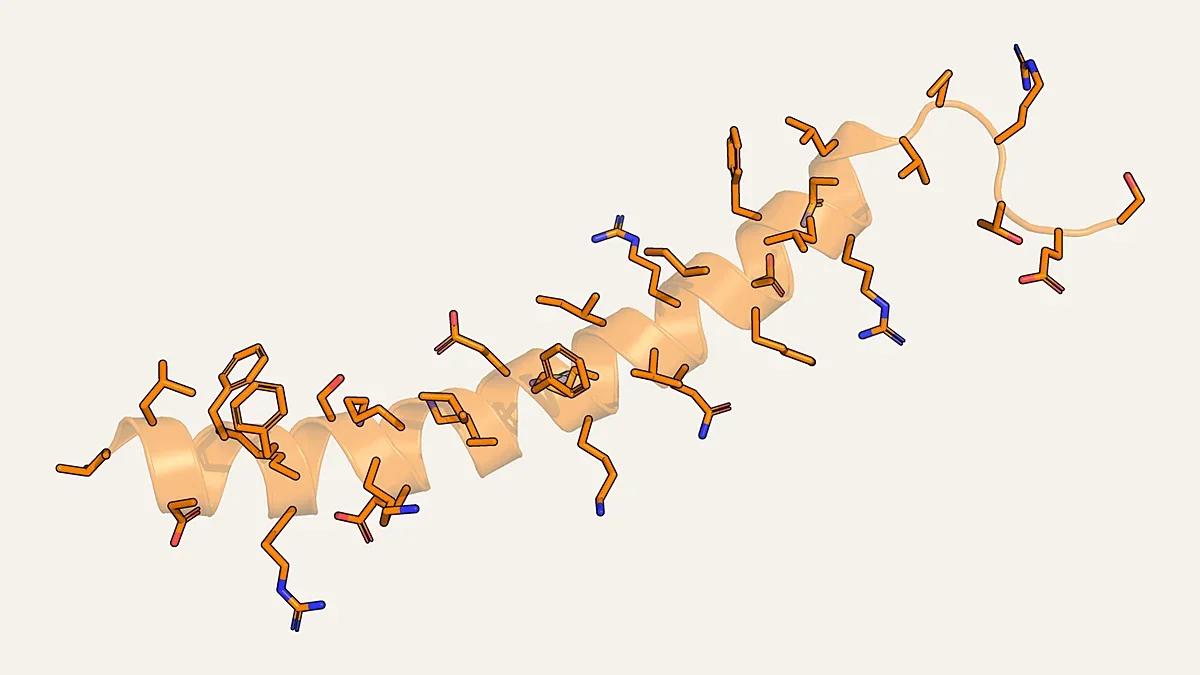
Research context (RUO). The screening narrowed the pool to 6,197 candidate sequences and then, using criteria the authors identified such as a high content of positively charged residues and common C12 or C16 fatty-acid tails, to 289 sequences. Of 46 that were synthesized, 44 showed measurable antimicrobial activity in laboratory assays, a 95.7 percent hit rate. One lead compound showed broad-spectrum activity against Gram-positive, Gram-negative and mycobacterial strains by acting on several bacterial cell-membrane components, and the authors report activity in a mouse wound-infection model. The study is laboratory and animal research aimed at antibiotic discovery and makes no human-use claims. For peptide-design and microbiology laboratories, the work outlines a reproducible computational-to-experimental workflow for generating lipid-modified antimicrobial candidates.