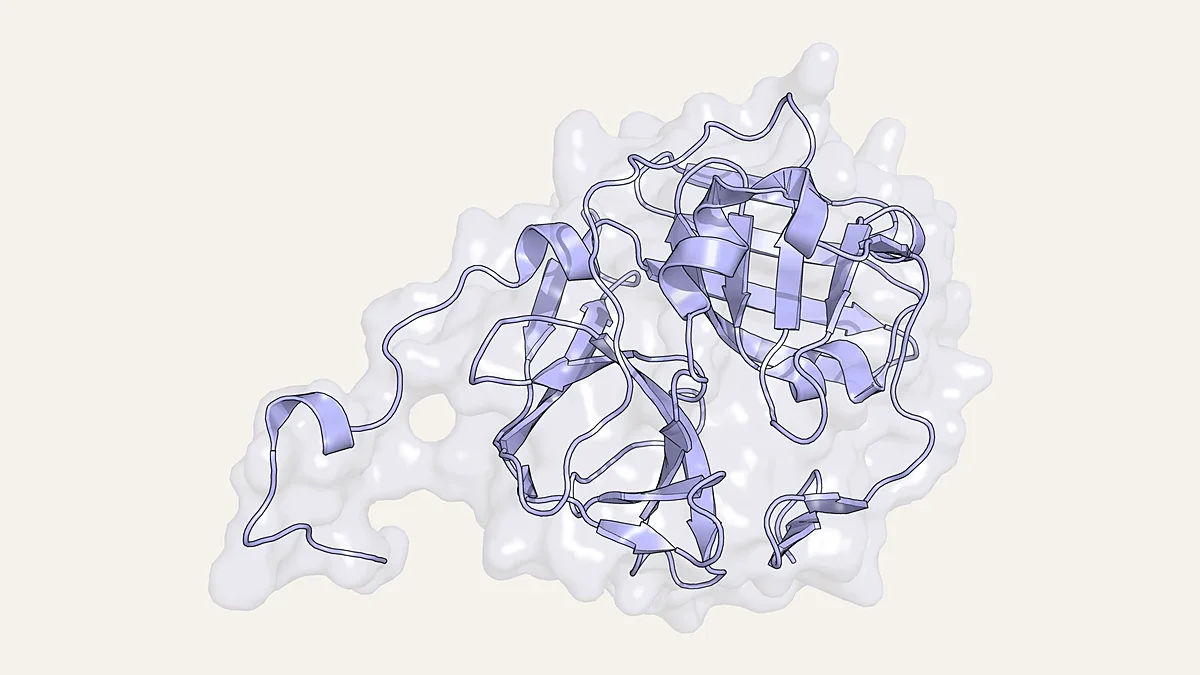
De novo designed cysteine proteases cut peptide bonds at chosen sequences using folds unlike natural enzymes
Researchers at the University of Washington's Institute for Protein Design, with collaborators at ETH Zurich, KAIST, Stanford University, the University of Oxford, the University of Cambridge and Lawrence Berkeley National Laboratory, reported in Nature, published online on 14 October, the de novo computational design of enzymes that hydrolyse the peptide backbone using an activated cysteine nucleophile.
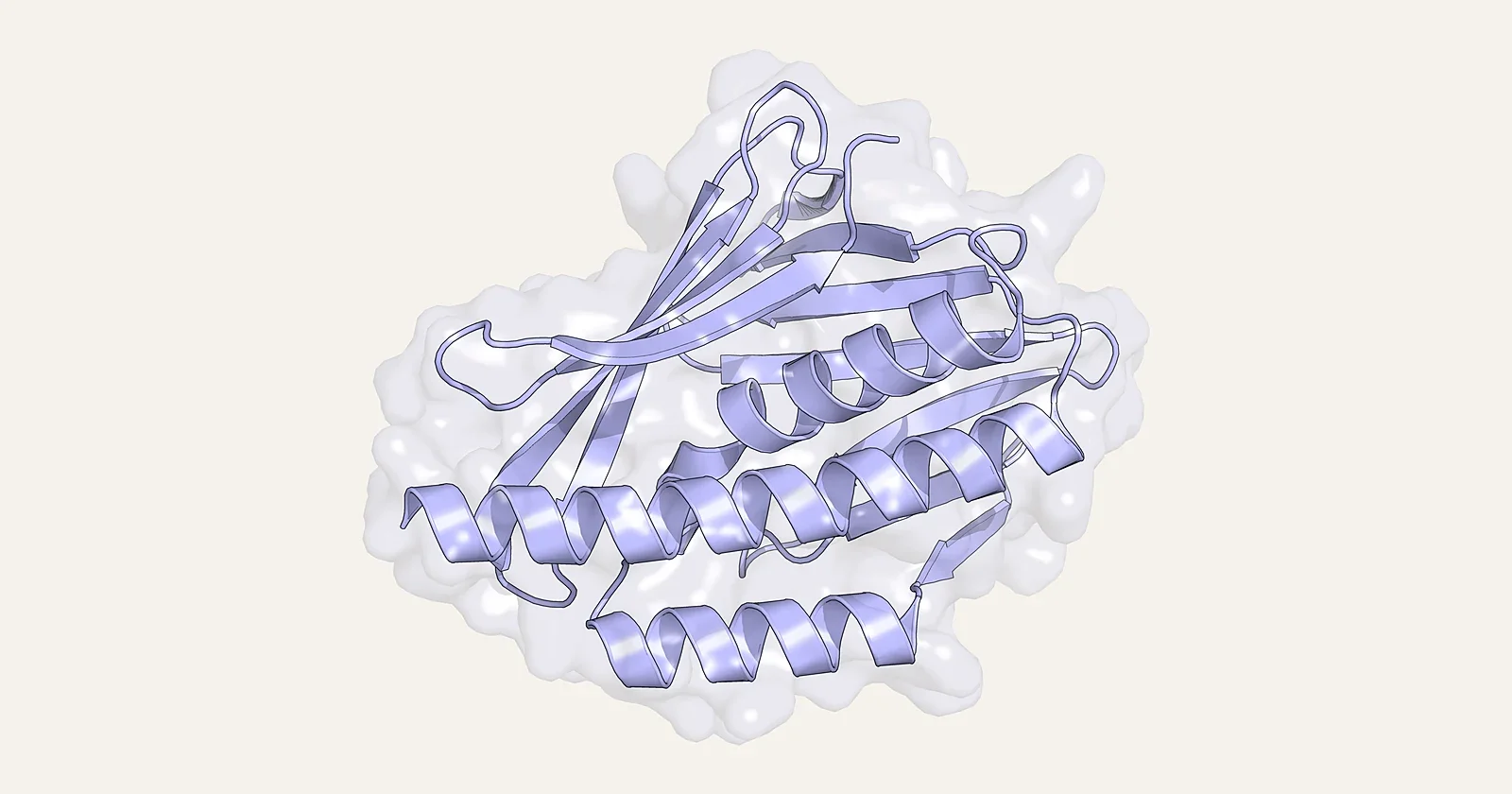
Summary. Researchers at the University of Washington's Institute for Protein Design, with collaborators at ETH Zurich, KAIST, Stanford University, the University of Oxford, the University of Cambridge and Lawrence Berkeley National Laboratory, reported in Nature, published online on 14 October, the de novo computational design of enzymes that hydrolyse the peptide backbone using an activated cysteine nucleophile. Amide bonds linking amino acids are extremely stable in neutral water, with uncatalysed hydrolysis taking hundreds of years, so cleaving them has been a much harder target than the low-energy-barrier model reactions where de novo enzyme design has mostly succeeded. The team scaffolded a catalytic cysteine, histidine and oxyanion-hole residue with a diffusion-based design model, generated sequences with ProteinMPNN and filtered candidates with AlphaFold3 structure predictions.
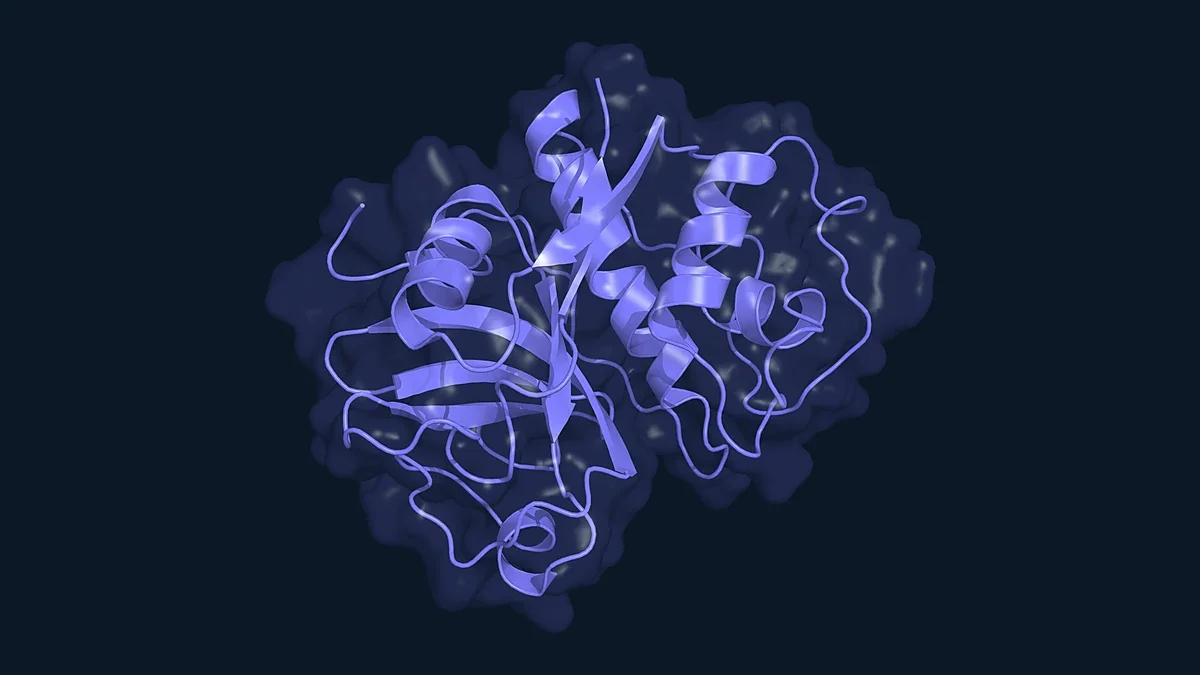
Research context (RUO). Of 69 designs tested, 13 (19 percent) cleaved their target sequence, and rate enhancements over the uncatalysed reaction reached up to 3 x 10^7. The designed proteases have folds that differ markedly from natural proteases (TM-score below 0.50), and six crystal structures matched the design models closely (C-alpha deviation below 1.2 angstroms); the coordinates are deposited in the Protein Data Bank under 9YNL, 9YNM, 9YOX, 9YOY, 9YOZ and 9YP0. Computational redesign and mutational screening raised activity further, and the authors attribute the remaining gap to the most active natural cysteine proteases to imperfect active-site preorganization and substrate positioning. In cultured mammalian cells, the designed proteases cleaved reporter substrates in a sequence-dependent way, which the authors present as a basis for synthetic-biology tools. The design and analysis code is public on GitHub. The work is basic enzyme-design research with no clinical component. For protein-engineering and peptide-chemistry laboratories, it shows that sequence-specific peptide-bond cleavage can now be designed from scratch.