
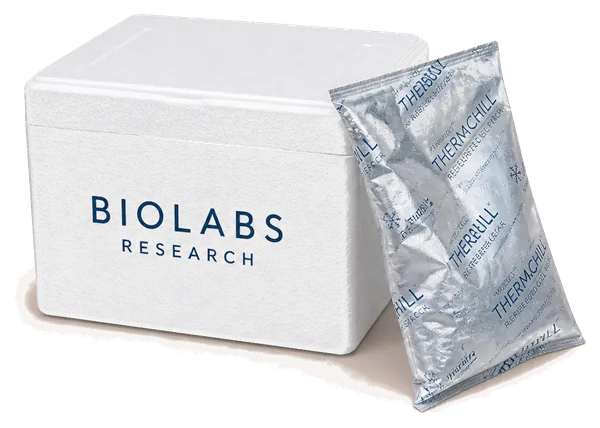
Cold-chain is packaging for the lot — not a third carrier option.
Temperature-sensitive research lots leave the warehouse with cold-chain packing when the SKU requires it. That packing rides on the same carrier options shown at checkout and on the shipping policy: USPS Ground Advantage (standard) and UPS 2nd Day Air (express). Cold-chain is packaging for the lot — not a third carrier SKU.
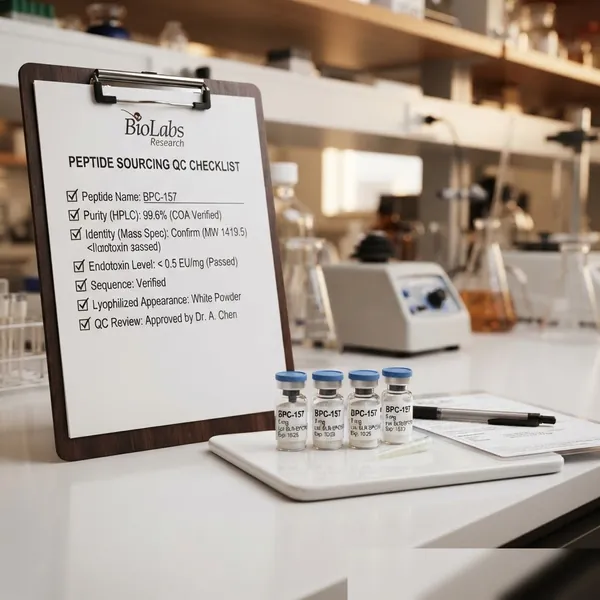
Document the check shown above before moving to the next figure — label fields, lot paper, and pack notes belong on the same receiving record.
Research use only. Do not treat storefront nicknames as a substitute for sequence, CAS, or observed mass on the certificate.
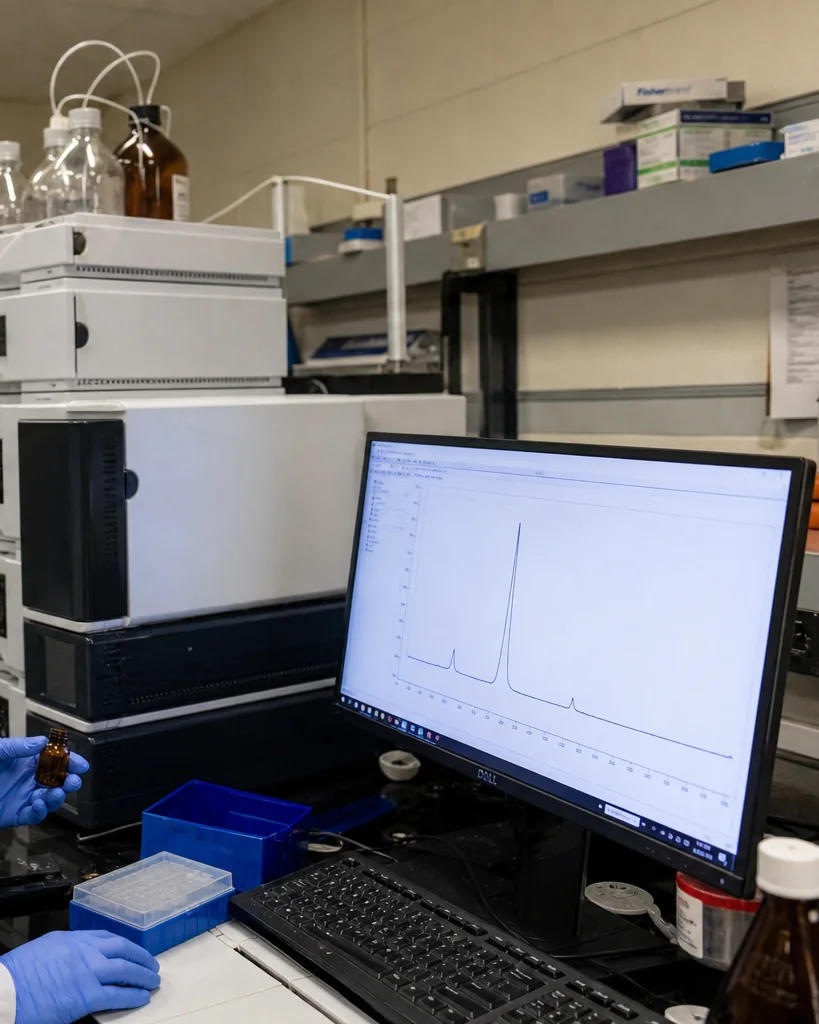
On arrival, follow the SKU storage notes and keep lot paper with the vial.
What cold-chain packing means here
Priority cold-chain packing is described on the shipping page as an inquiry reward threshold, not a separate shipping method. Do not assume ambient transit is appropriate for every peptide lot. Storage conditions after arrival belong on the product/SKU notes and on the lot paperwork — this article does not invent storage temperatures for every SKU.
Inquiries are processed within 1–2 business days of confirmation. Research compounds require verification of intended laboratory use before shipment. Tracking is emailed once the order ships. Status questions go to admin@biolabsresearch.co.
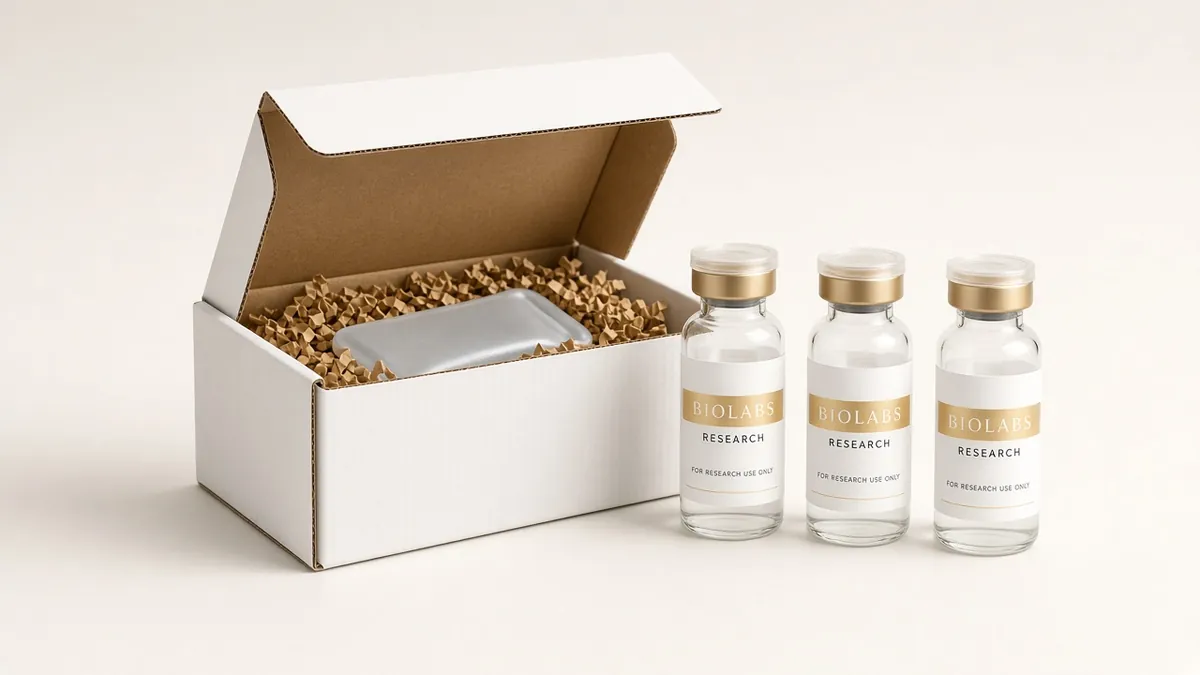
Ship-ready presentation for catalog reagents — packing supports the lot, it does not redefine identity.
Carriers and timelines
- USPS Ground Advantage — standard option at checkout
- UPS 2nd Day Air — express option at checkout
- International DDP to select markets — after inquiry confirmation; purchasers remain responsible for import rules in their jurisdiction
If a shipment arrives damaged or is lost in transit, contact us within 48 hours with the order number so we can arrange replacement or refund per the shipping policy.
Documents that travel with the lot
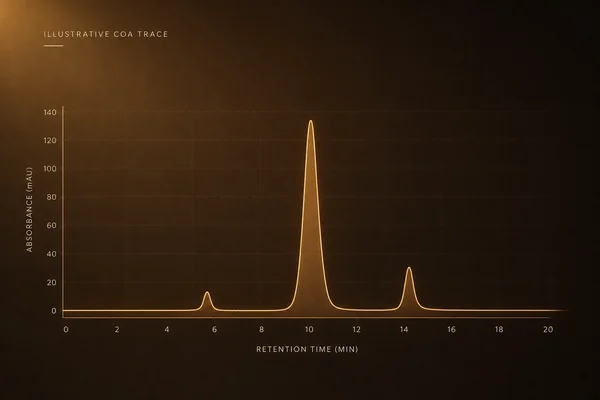
CoA, SDS, and origin documents can be provided to support clearance when needed. Identity on the COA still follows the same rules as the identity blog notes: sequence/structure, registry numbers when applicable, and observed mass. A shipping carton does not create a CAS number. For purity field literacy see Lot COA is not a purity percentage.
Public compound pages (for example via PubChem) help receiving teams verify that the CAS on inbound paper matches the intended SKU — they are not shipping instructions.
Receiving checklist
| Check | Pass looks like | Escalate when |
|---|---|---|
| Outer pack integrity | No crush/puncture; cold-pack present if required | Damage or missing cold-pack on a cold-chain SKU |
| Label vs PO | SKU name and lot ID match the order | Nickname-only label with no lot |
| COA present / on request | Lot ID matches carton | House PDF with no batch ID |
| Storage on arrival | Follow SKU storage notes immediately | Unknown storage conditions on the card |
| Damage window | Report within 48 hours with order number | Silent discard without contacting support |
Handoff between fulfilment and quality records
Cold-chain packing protects the physical lot in transit; it does not replace identity checks at receiving. Build a handoff so the person who opens the carton also confirms lot ID, COA availability, and storage location in one pass. Splitting those steps across days is how a warm excursion and a paperwork gap get investigated as unrelated incidents.
Photograph damaged outer packs before discarding insulating materials when you intend to file a claim. Include the order number in the image set you send to admin@biolabsresearch.co. Do not re-pack a compromised shipment into a local cooler and “see how the assay goes” — that skips the 48-hour reporting window and breaks the replacement path described on the shipping policy.
International clearance adds document latency. If customs asks for composition detail, provide the COA component list and SDS rather than a blog nickname. Blend vials especially need both CAS lines on the commercial invoice description when your broker requires substance-level detail.
After release to the bench, keep the shipper’s tracking ID in the lot folder. Temperature or delay disputes are easier to resolve when fulfilment metadata sits beside the certificate instead of only in an email inbox.
Coordinate with facilities so cold storage locations are booked before express parcels arrive. A tracked UPS 2nd Day Air shipment that sits on a receiving dock overnight defeats the packing investment. Assign a primary and backup receiver on the order confirmation email so weekend or late-day deliveries still meet the SKU storage notes without improvisation.
Read the shipping policy
Carriers, cold-chain packing, and inquiry steps. Research use only.
Shipping policy →Related notes
References
- BioLabs Research shipping policy: https://biolabsresearch.co/shipping
- PubChem for CAS/CID verification on receiving paperwork: https://pubchem.ncbi.nlm.nih.gov/