A fungal GPCR senses farnesol to keep spores dormant, and soil bacteria can tip the switch
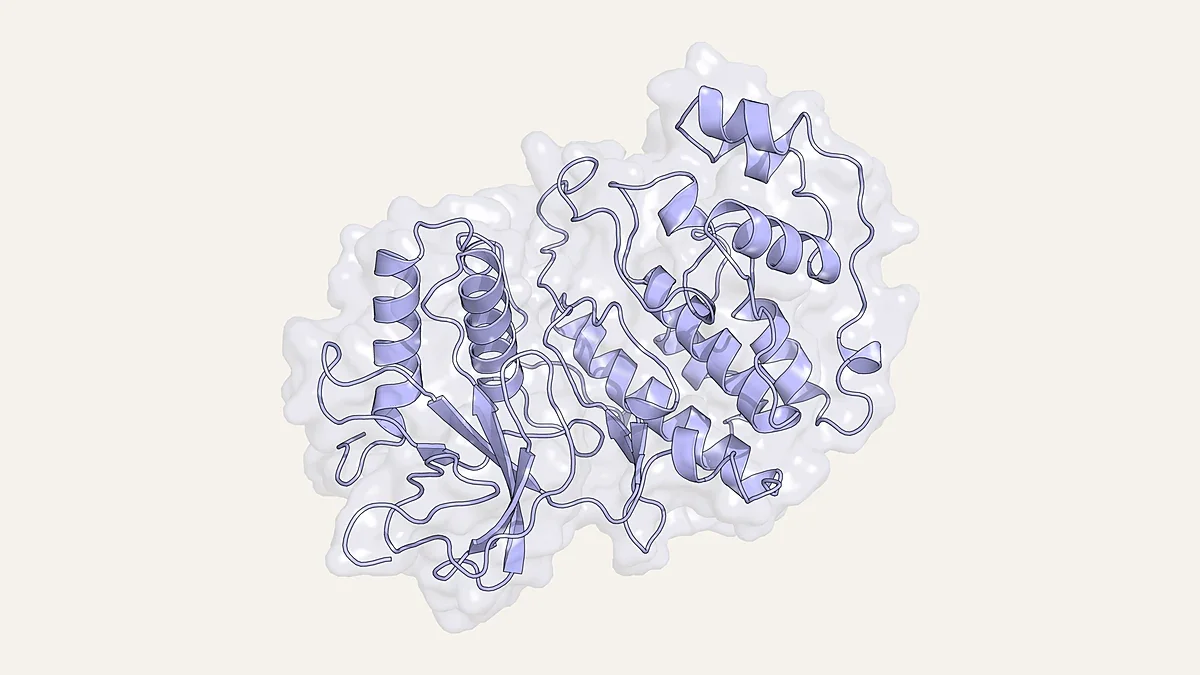
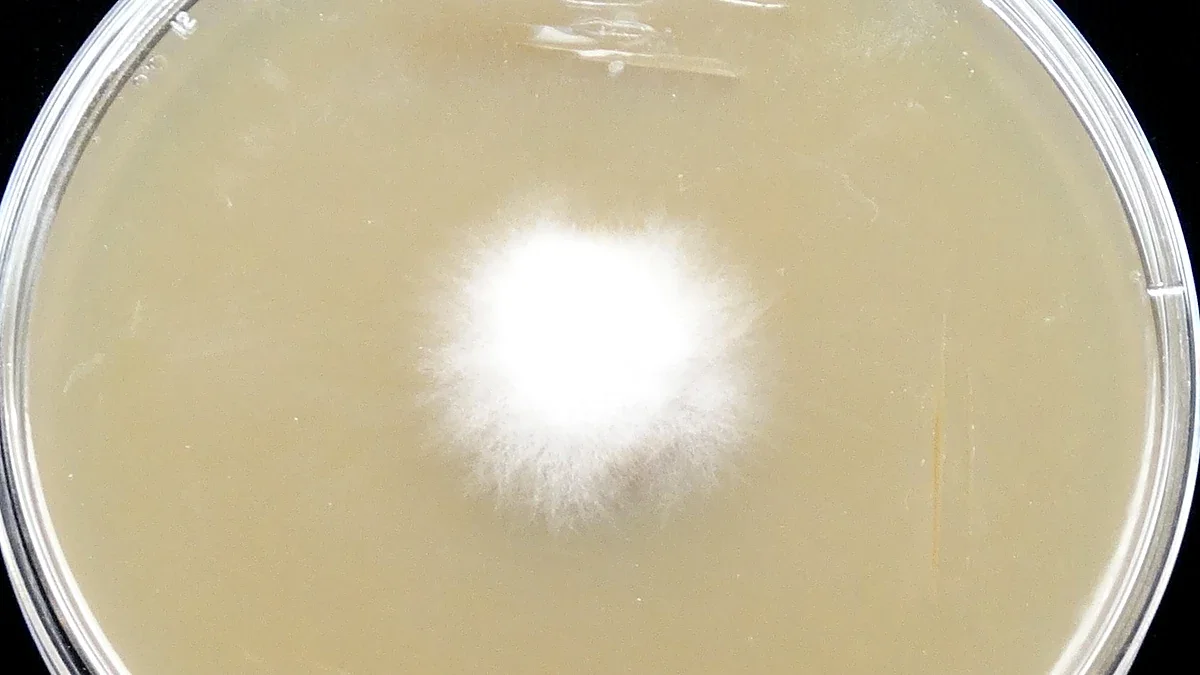
Researchers at Northwest A&F University in Yangling, China, with a collaborator at Purdue University, reported in Nature Microbiology, published online on 19 October, that a G-protein-coupled receptor (GPCR) named Rsd1 acts as a sensor that controls whether spores of the wheat pathogen Fusarium pseudograminearum stay dormant or germinate.
Summary. Researchers at Northwest A&F University in Yangling, China, with a collaborator at Purdue University, reported in Nature Microbiology, published online on 19 October, that a G-protein-coupled receptor (GPCR) named Rsd1 acts as a sensor that controls whether spores of the wheat pathogen Fusarium pseudograminearum stay dormant or germinate. Dormancy of asexual spores, called conidia, helps fungi survive stress, but how the switch between dormancy and germination is controlled has remained unclear. The team found that farnesol, a small lipid signalling molecule the fungus makes itself, activates Rsd1 and its downstream signalling pathways to hold back germination when spores are crowded and nutrients are scarce.
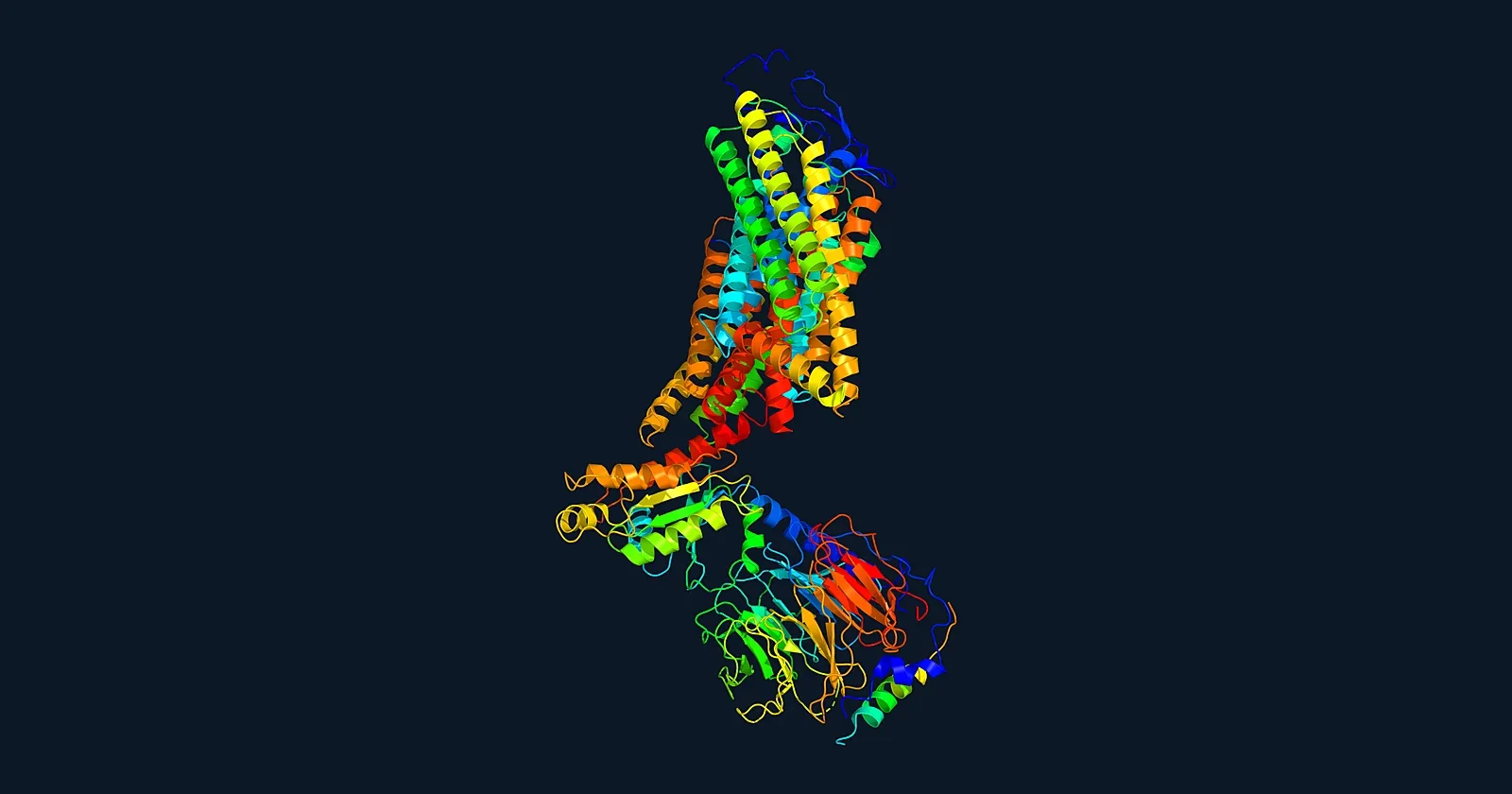
Research context (RUO). The authors screened deletion mutants of 12 GPCR-encoding genes and identified Rsd1 as the receptor that suppresses germination at high spore density. In a yeast reporter system carrying a chimeric version of the receptor, farnesol switched on the reporter, and a receptor variant with alanine substitutions at predicted ligand-contacting residues was used to test the predicted binding site. AlphaFold models and docking pointed to a conserved farnesol-binding pocket, and the signal was traced through a G-alpha subunit to a MAP kinase pathway and a broad transcriptional programme. Rsd1 also responds to farnesol from outside the cell, linking environmental cues to dormancy. Dormancy improved spore survival under nutrient limitation but came at a cost to infection of wheat seedlings. Specific bacteria isolated from the wheat rhizosphere either promoted or suppressed germination of dormant spores through the farnesol and Rsd1 axis, and small bacterial consortia assembled from them shifted the balance between dormancy and germination and changed the severity of crown rot in plants. RNA sequencing data are deposited in NCBI BioProject PRJNA1477465. The study is basic plant-pathology and microbiology research on a crop fungus, with no clinical component. For laboratories studying receptor signalling, it is an example of a GPCR whose ligand is a small lipid made by the organism itself.